AI isn't magic, but it's powerful when you use it well
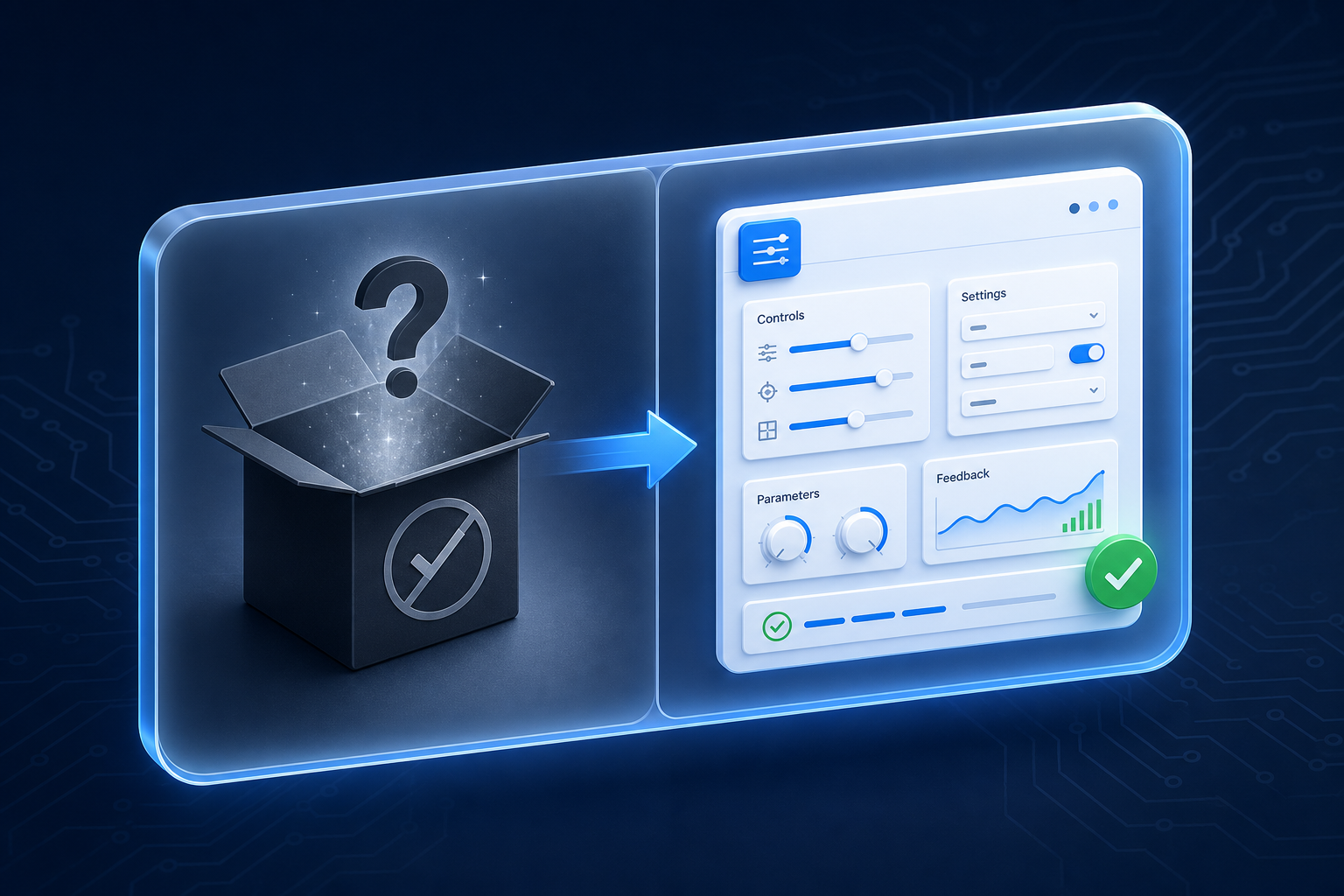
AI gets sold as a magic button. Drop in a problem, get back a finished answer, no work required. It does not work that way.
The gap is not the tool. AI is genuinely powerful. The gap is how you use it. Used deliberately, it returns real leverage. Used blindly, it returns confident noise.
The myth of the magic button
The magic-button idea says AI figures things out on its own. You hand it a vague ask, trust it to fill in the rest, and wait for something brilliant.
That expectation sets you up to fail. AI does not know your business, your customers, or your standards unless you tell it. It will answer anyway. The answer just won't be grounded in anything real.
Magical thinking is the most expensive way to adopt AI. You spend money and attention and get back work you cannot use.
Why blind use produces disappointing results
Blind use means asking without context and accepting the output without checking. The model guesses at what you meant. You ship the guess.
It usually plays out like this. A 30-person property management company told their team to "use AI" for tenant emails. No examples, no policies, no review step. Within a week the replies were polite, fluent, and wrong about lease terms. The team stopped trusting the tool and went back to writing every email by hand.
The tool was fine. The setup was not. Nobody gave it the context to be right, and nobody checked before sending.
What informed, intentional use actually looks like
Intentional use starts with a clear job. You define the task, supply the context, and decide how you will check the result.
That same property company tried again with structure. They gave the AI their lease policies, three approved reply examples, and a rule that a person signs off before anything goes out. Drafting time dropped by half. The errors stopped, because the model now had something true to work from.
Same tool. Different result. The difference was preparation and a checkpoint, not a better model.
The leverage comes from skill and context
Powerful tools reward the people who learn them. A spreadsheet does nothing useful until someone knows what to put in it. AI is the same.
The skill is knowing how to frame a task, what context to provide, and where the output needs a human check. The context is your documented process, your standards, your real examples. Feed both in and the gains are concrete: faster drafts, fewer handoffs, better decisions backed by your own information.
Many operators assume AI will replace that work. It does not. It amplifies it. The teams that get value are the ones who treat AI as a capability to build, not a vending machine to feed.
Set realistic expectations, then build from there
Expect a strong assistant, not an oracle. AI is fast, tireless, and good at structured work when it has the right inputs. It is not a substitute for knowing your own business.
Set that expectation with your team before you start. Pick one bounded task. Give the tool real context. Add a review step. Measure the result against what you did before.
That is how you separate the work that pays off from the magical thinking that wastes it.
Keep exploring
If your team still expects AI to figure things out on its own, Five AI Misconceptions That Keep Small Businesses Stuck is a useful reset. When you want help building the skills and context behind deliberate AI use, contact FIT.