Should you tell customers you use AI? Yes. Here is what to say, and where
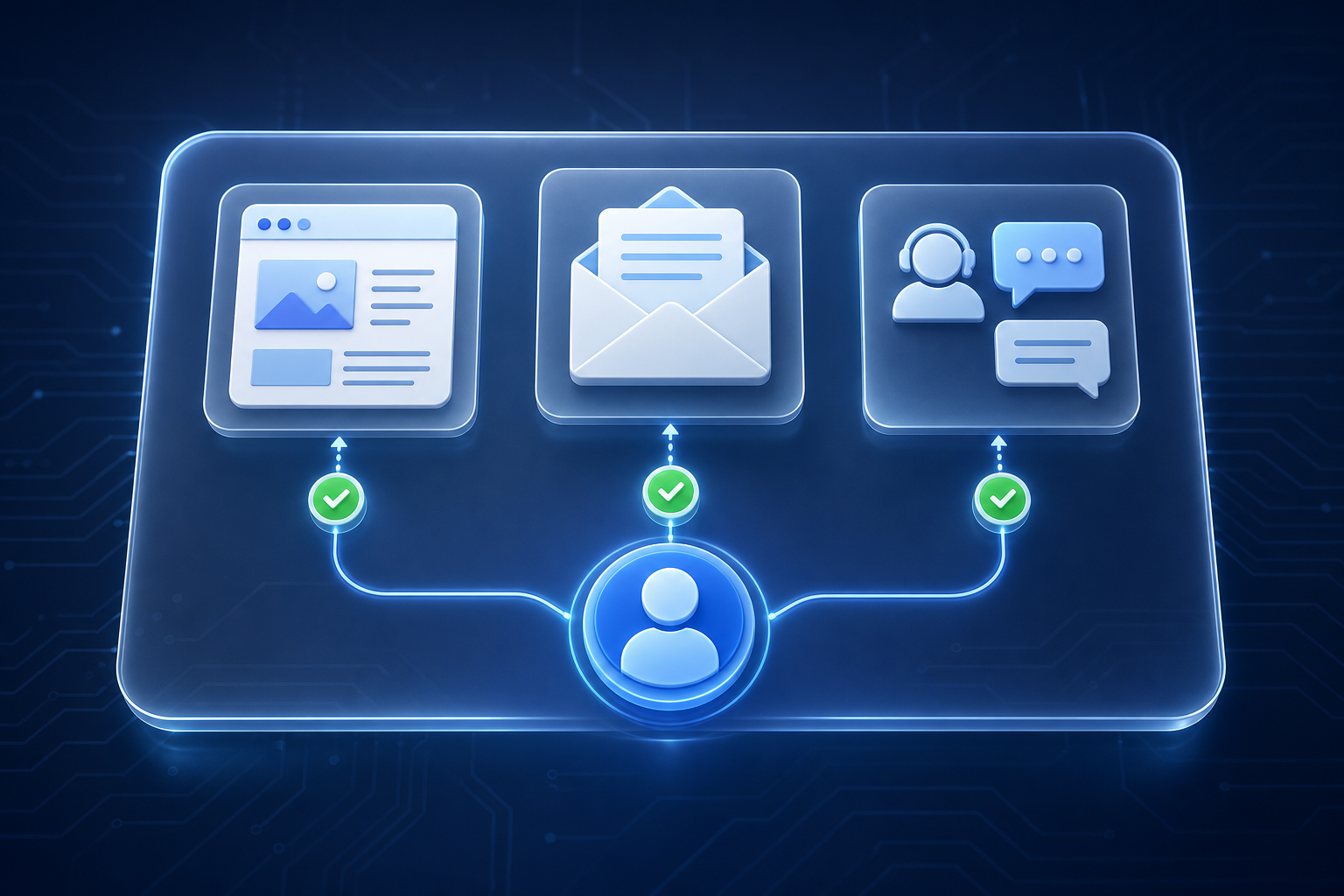
Tell customers you use AI, in plain words, before they have to ask.
Tell customers you use AI, in plain words, before they have to ask.
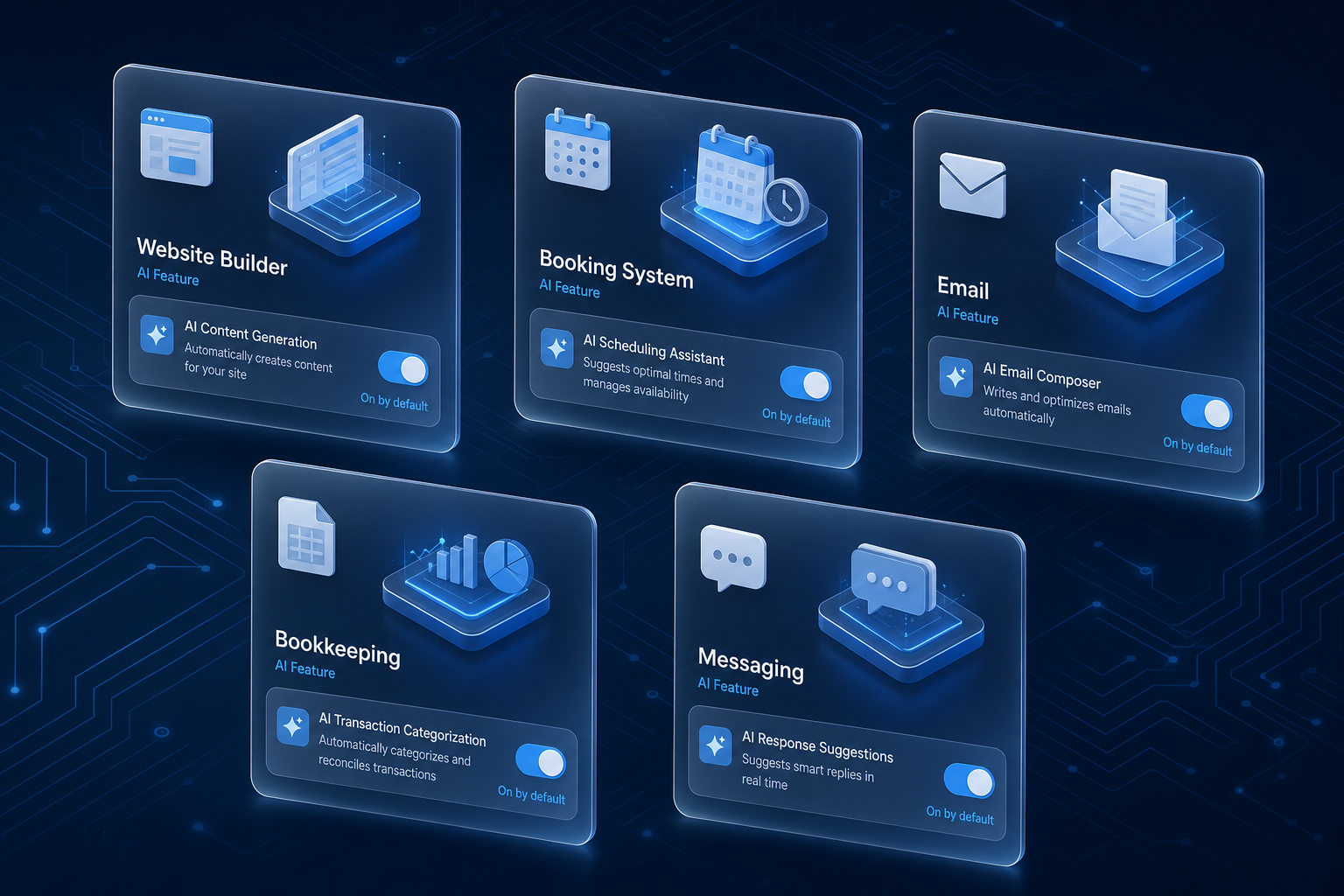
Most of the AI in your business arrived without anyone deciding to use it.
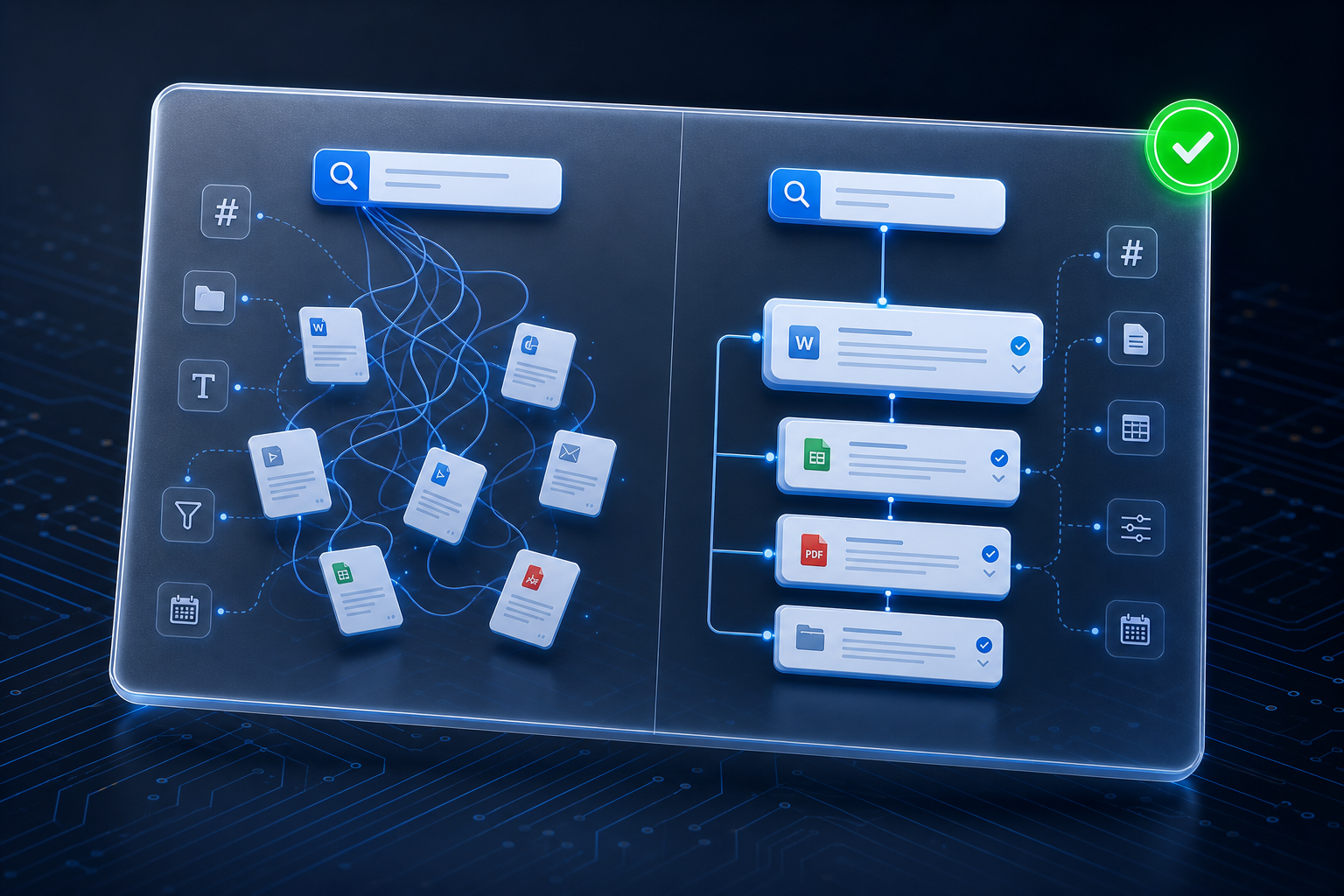
A 30-person insurance brokerage asks their assistant what the renewal window is for commercial auto. Four seconds later they have the right answer and the right clause. Ten minutes after that, someone asks which clients have renewals falling inside a rate change. The same assistant returns something vague and slightly wrong.
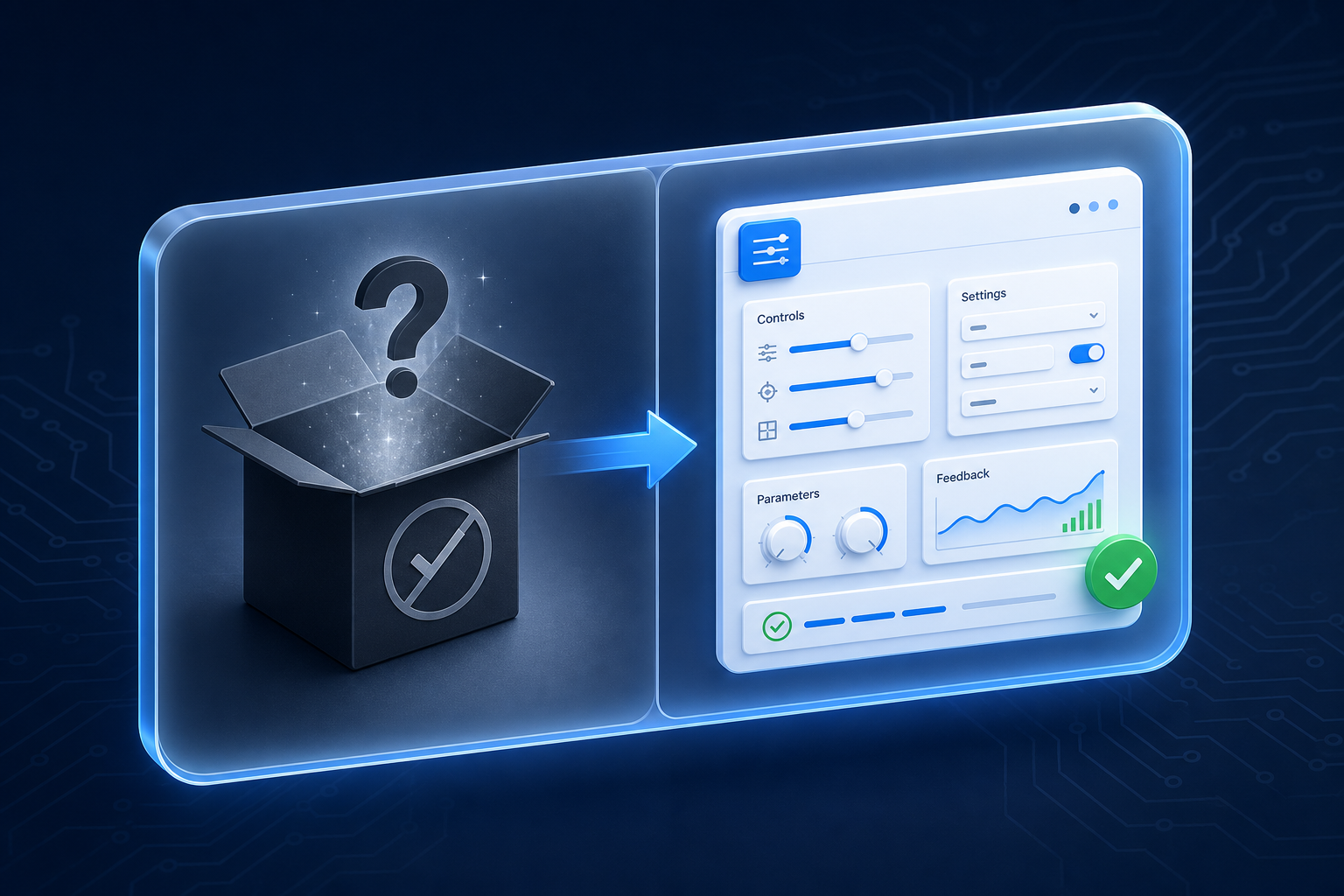
AI gets sold as a magic button. Drop in a problem, get back a finished answer, no work required. It does not work that way.
Series: Building an AI-Ready Business — Part 2 of 3 Part 1: Process problem · Part 2: Writing SOPs · Part 3: Decision logs · Series hub
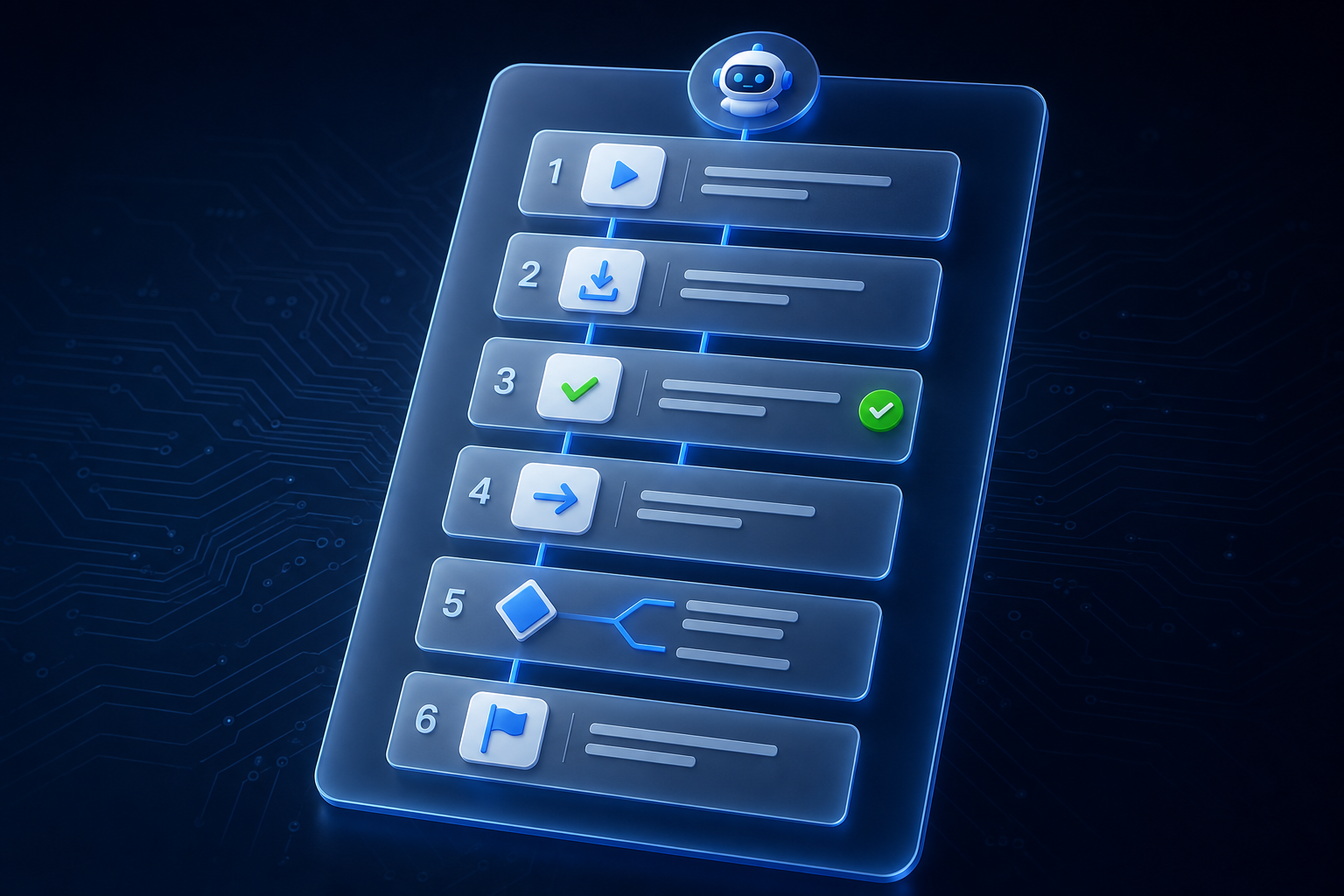
Most teams treat their SOPs as if they are ready to hand to an AI agent. They are not.
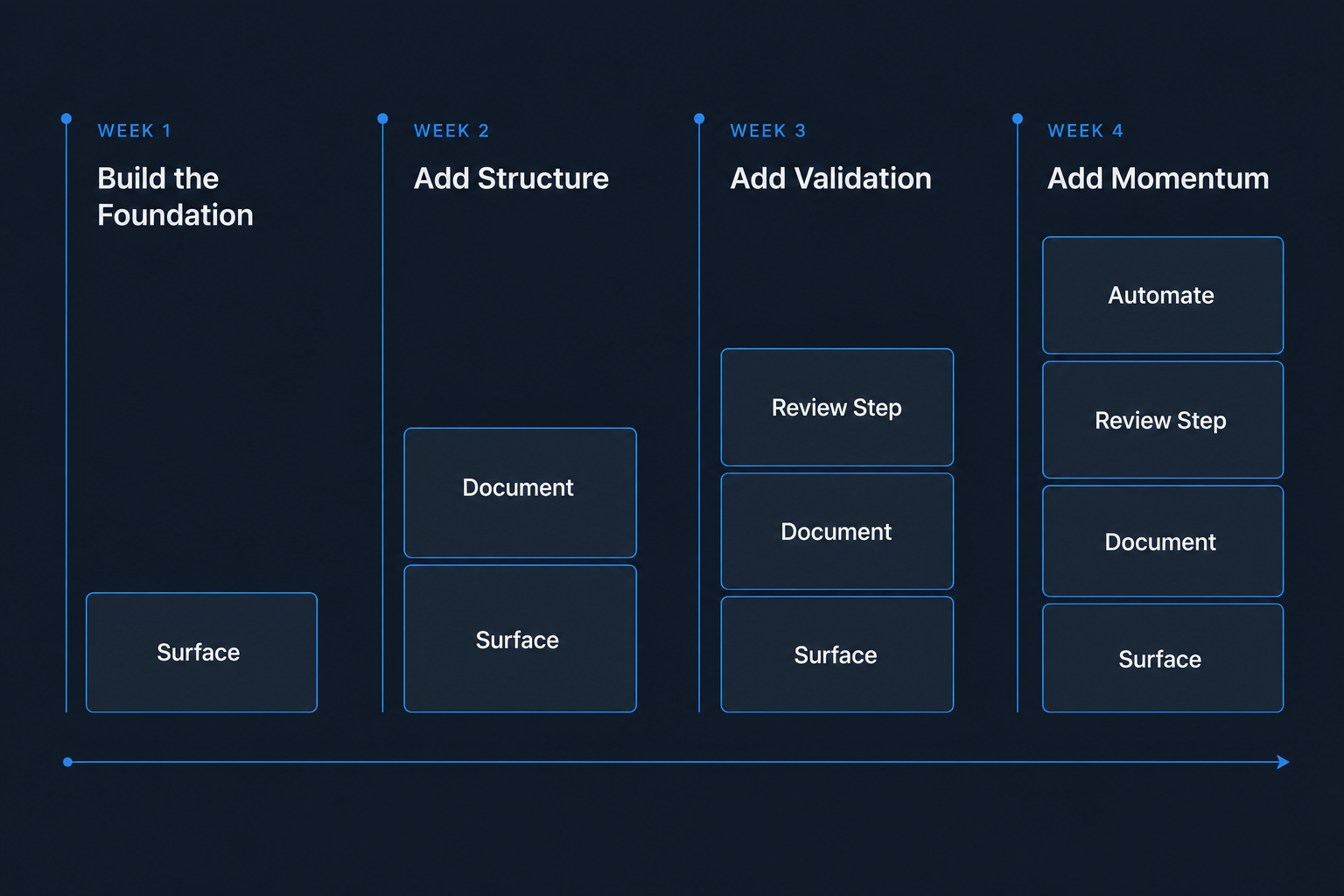
The AI champion sounds like a tools job. New software. New dashboards. New vendor calls. It is not.
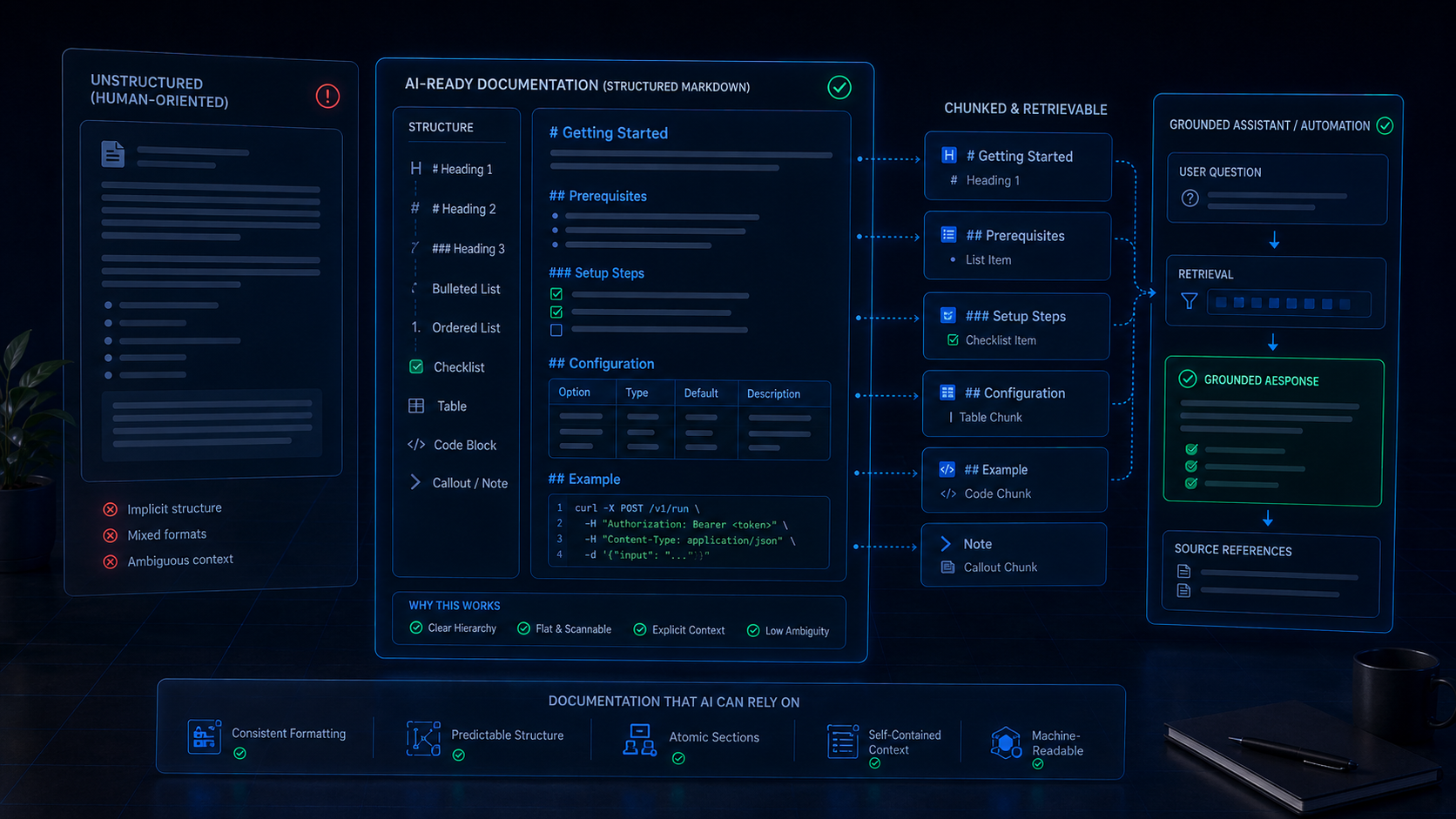
"AI-ready documentation" sounds like a tooling problem. It is a formatting problem.
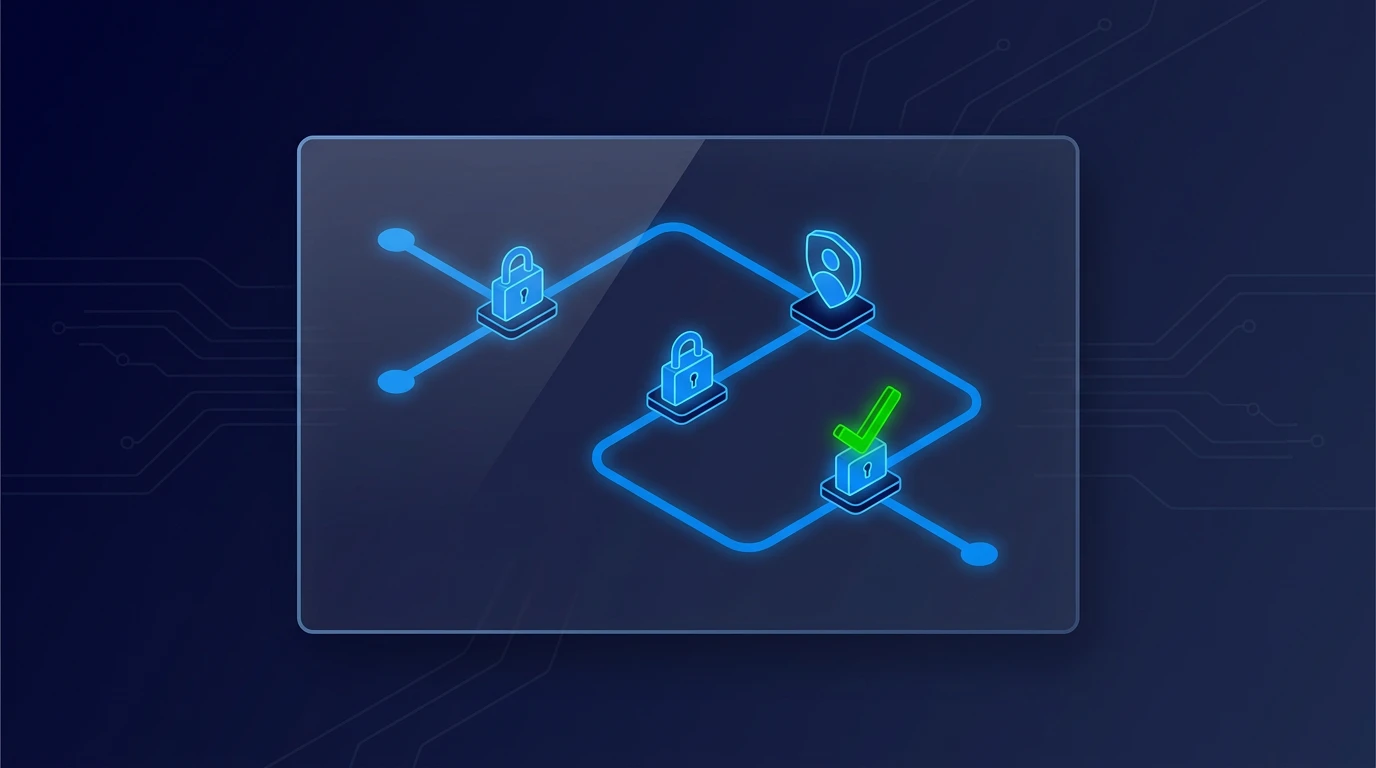
Most of what gets called "AI automation" is a single prompt and a reply. That is a chatbot. A real pipeline has structure: discrete steps, quality checks, and a human at the end before anything ships.

Viral AI bots like OpenClaw promise effortless automation, but for small businesses, the security risks are real. Before connecting any trending tool to your business accounts, here's what you need to know.
The step most people skip: turning AI output from a useful draft into a reusable, repeatable business asset instead of letting it become digital exhaust.