Give your AI assistant a job, not your office manager's access
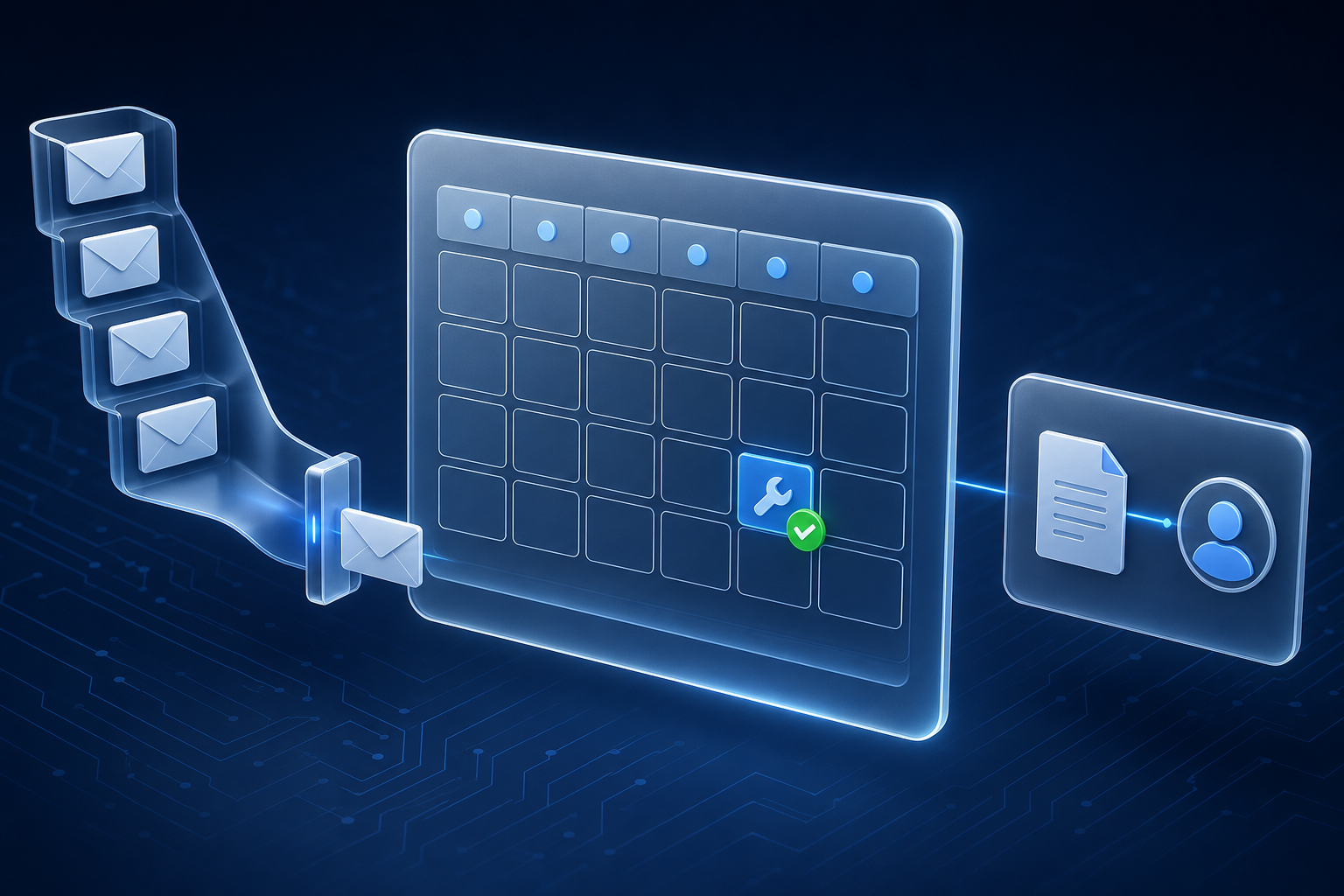
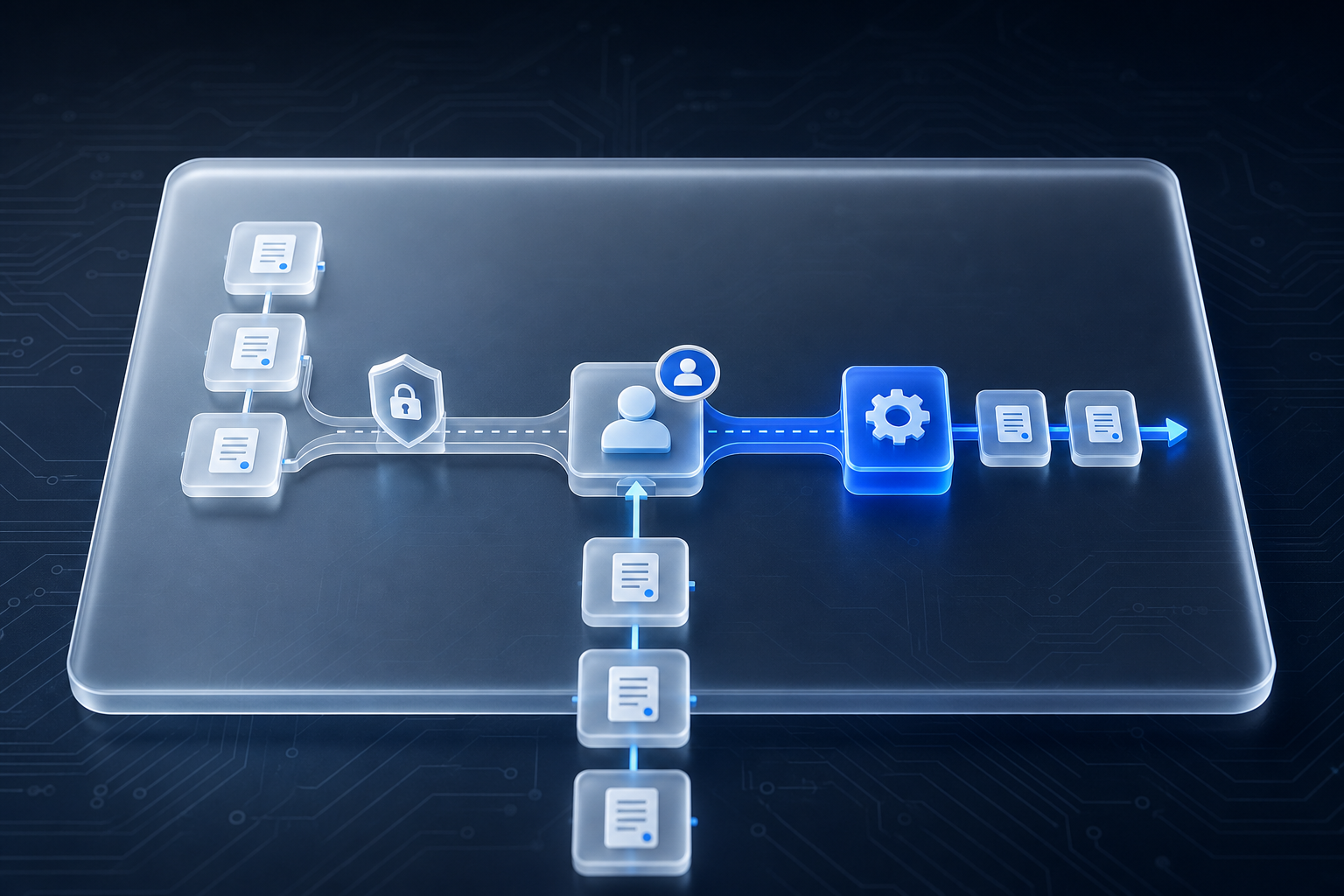
An AI assistant can use every permission you give it. So give it a job before you give it a login.
An AI assistant can use every permission you give it. So give it a job before you give it a login.
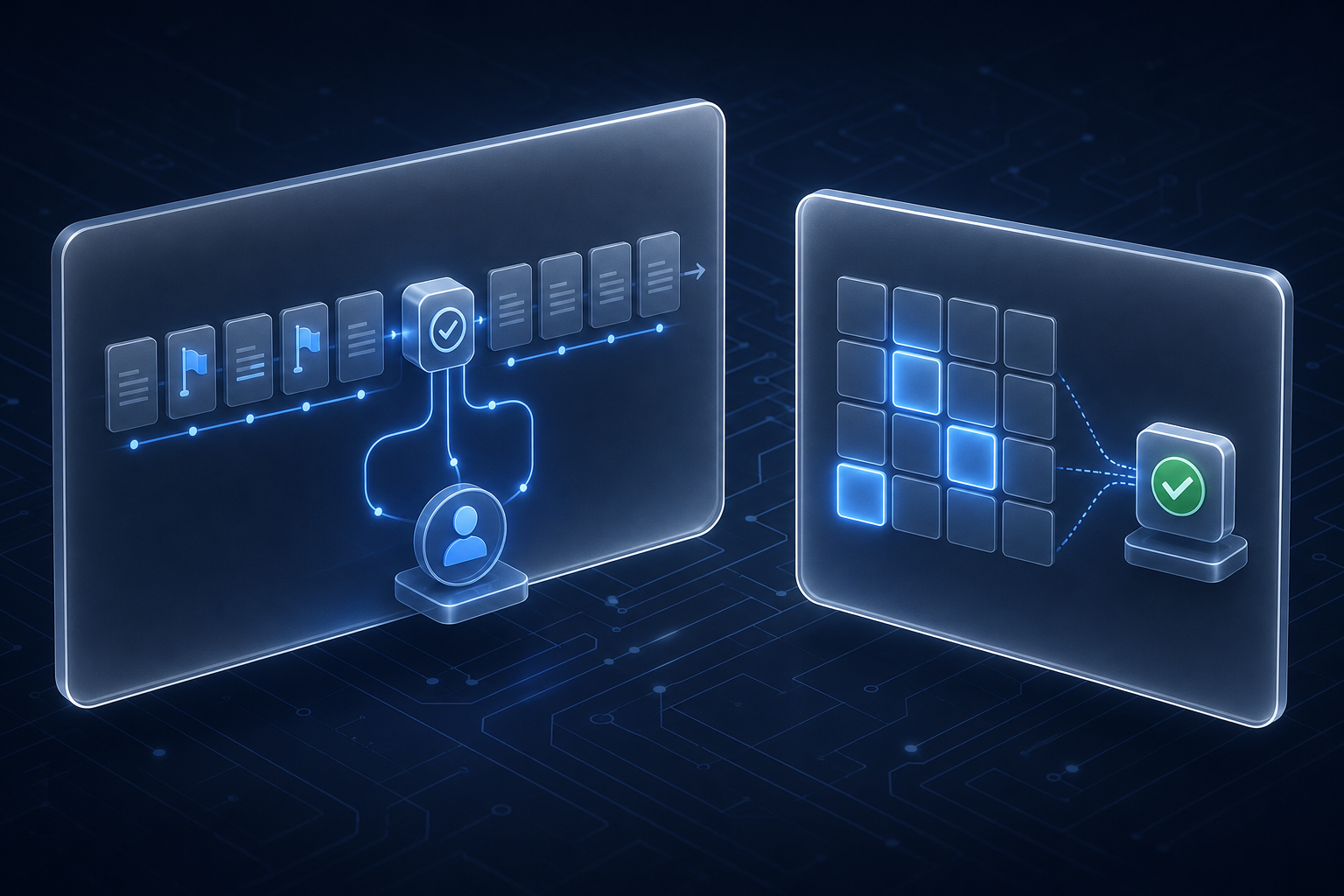
Read every output when an automation starts. Then decide, in writing, when you stop.
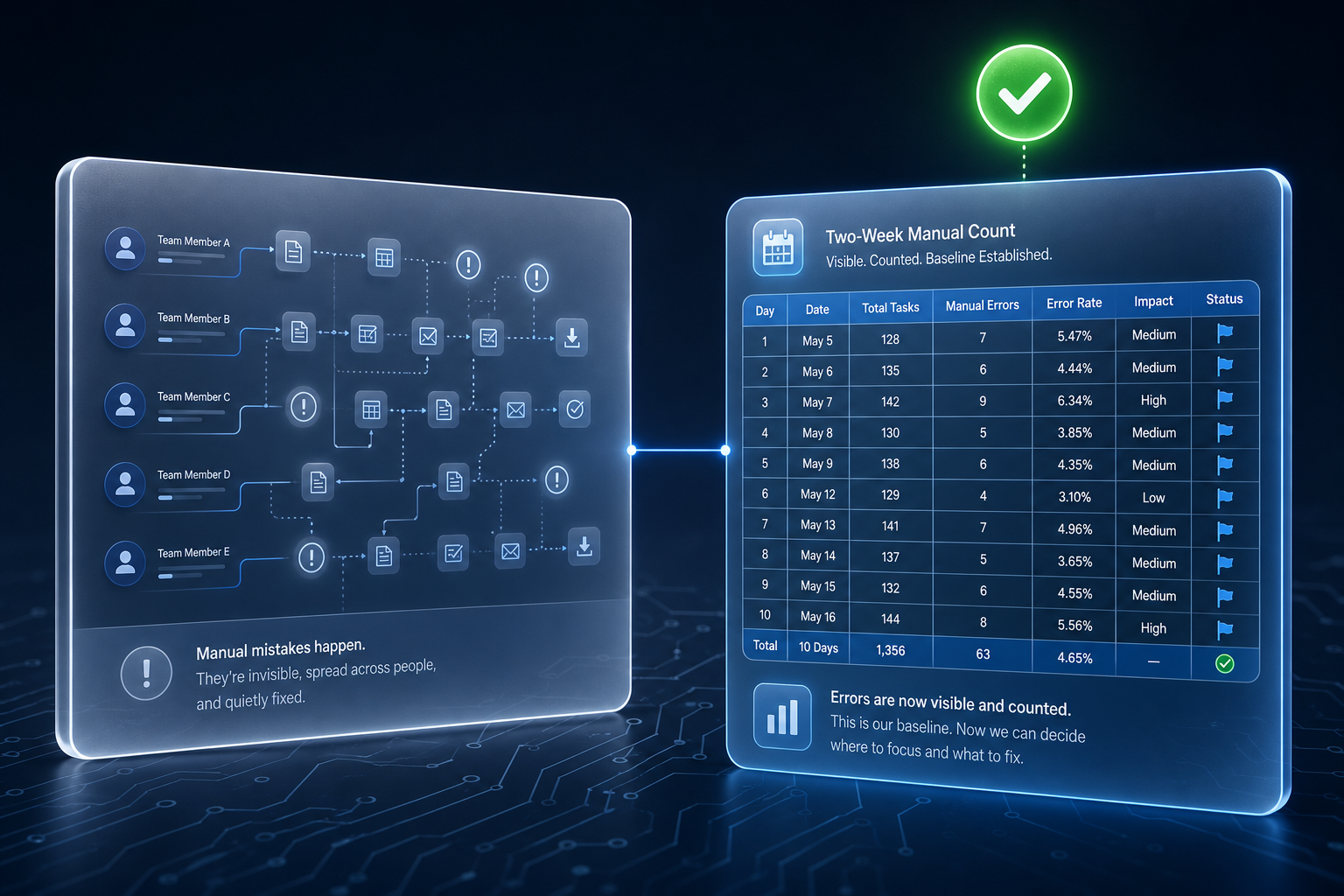
Ask an owner why a repetitive job is still done by hand, and the answer is rarely cost. It is some version of "what if it gets one wrong?"
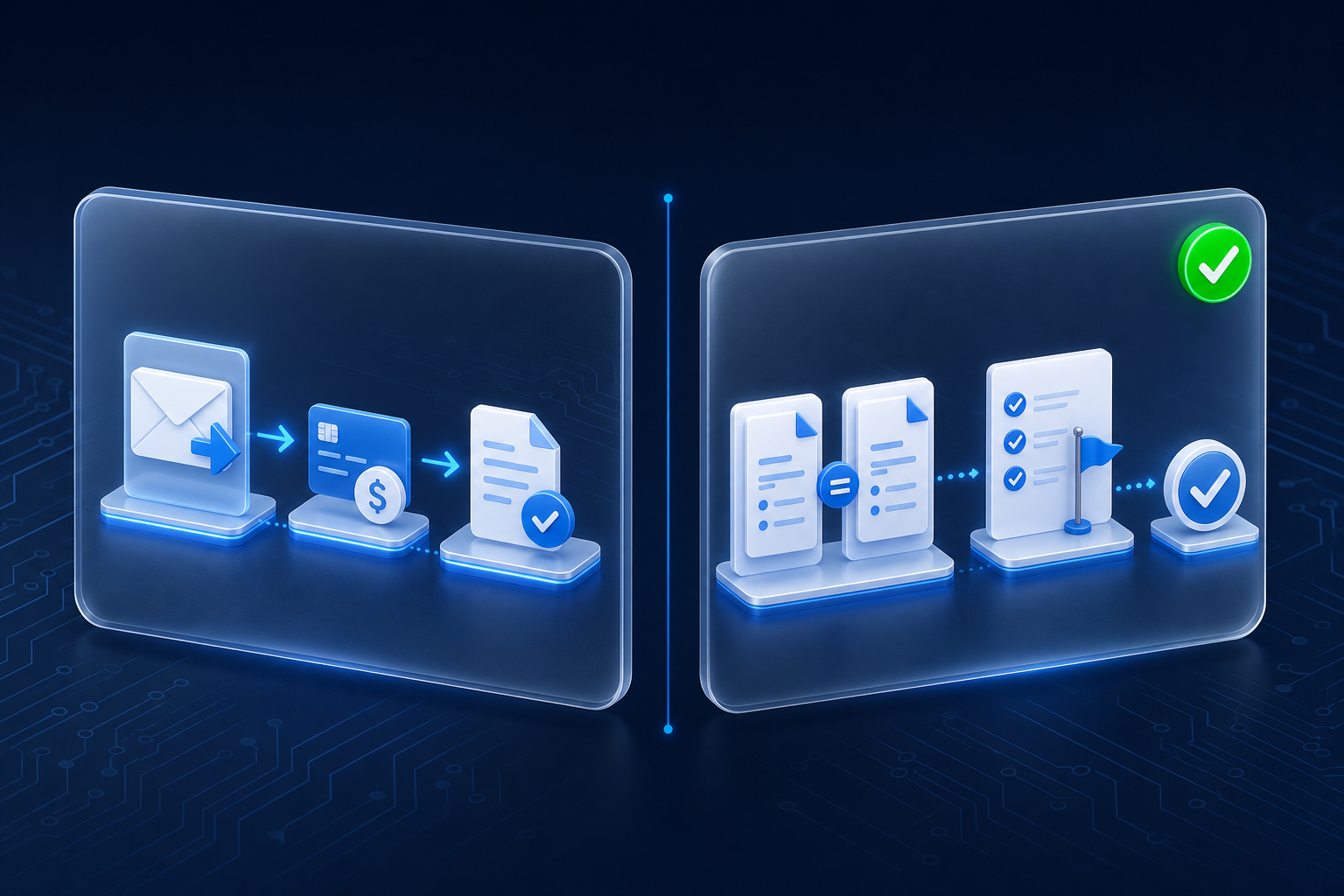
A small retailer with several locations set up one nightly check. It compared supplier invoices against what the stores actually received. In its first month, it caught a five-figure billing error.
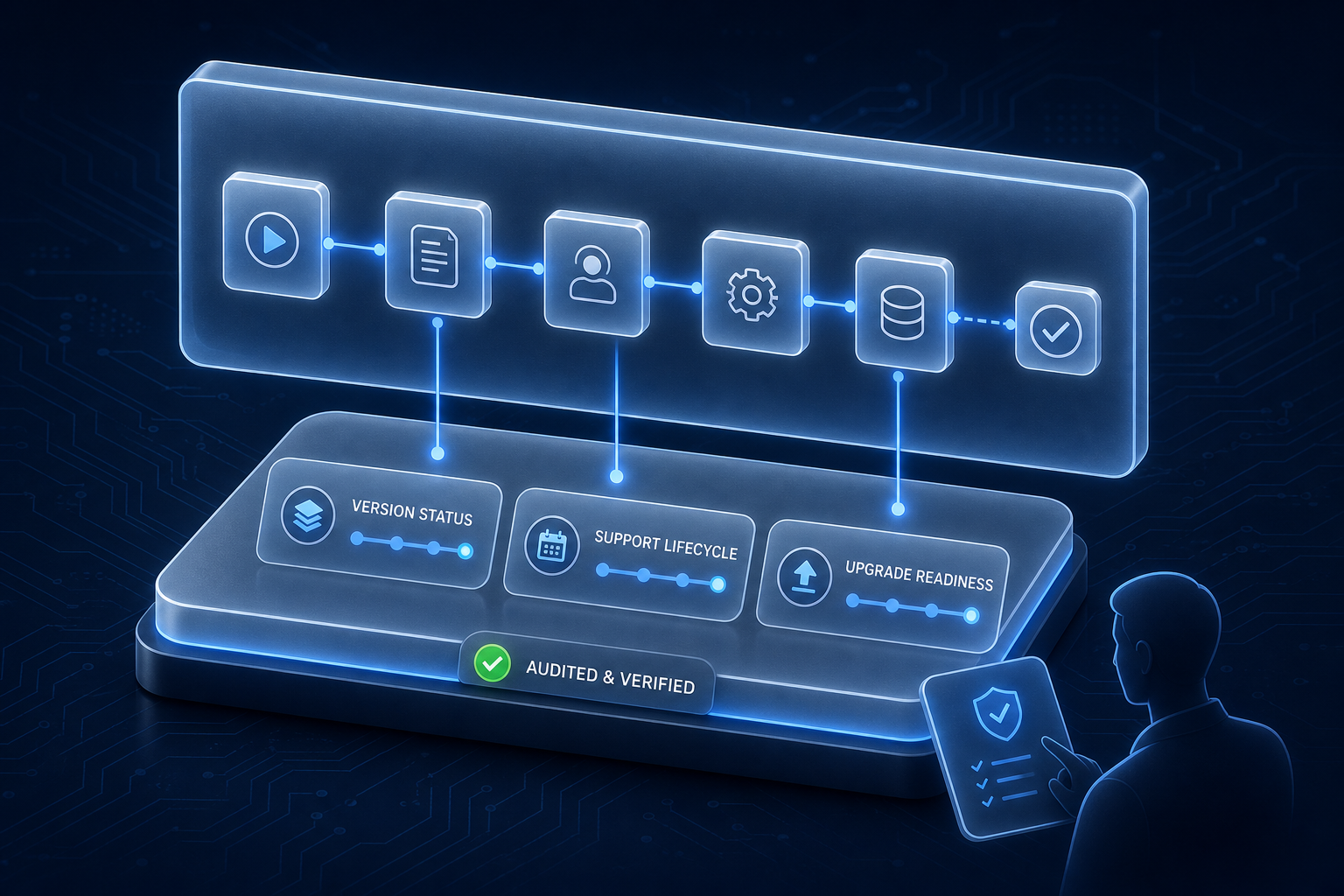
Your invoicing automation ran every Monday for eight months. Last Monday it did not. Nobody on your team touched it.
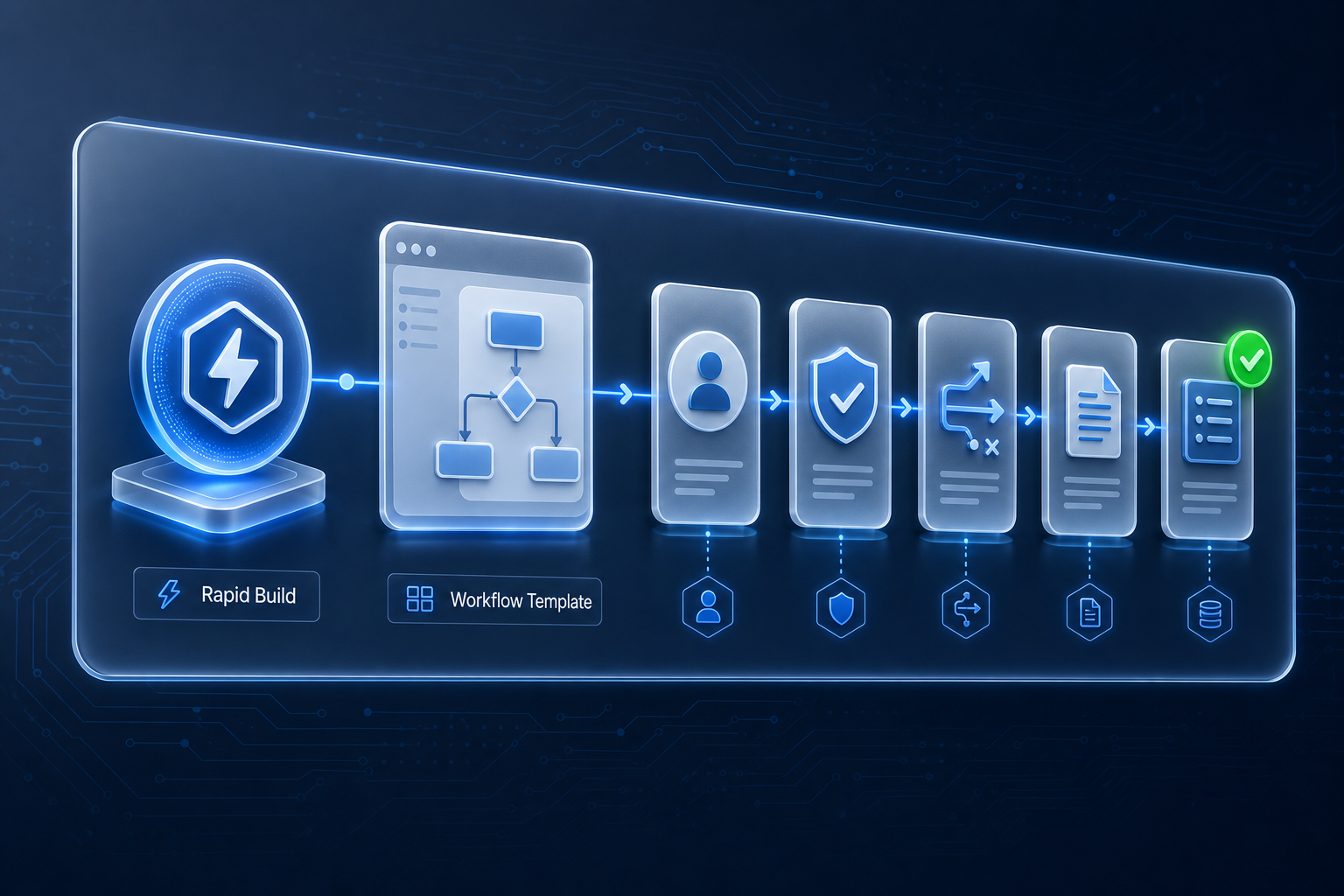
Type a sentence. Get back a working, editable workflow. That is where the major automation platforms landed this month, and it is not a demo reel. The thing runs.
Most automation failures announce themselves. A step errors out, an alert fires, someone gets an email. Those are the easy ones.

The pilot ran for six weeks. It worked. Everyone agreed it saved real time.
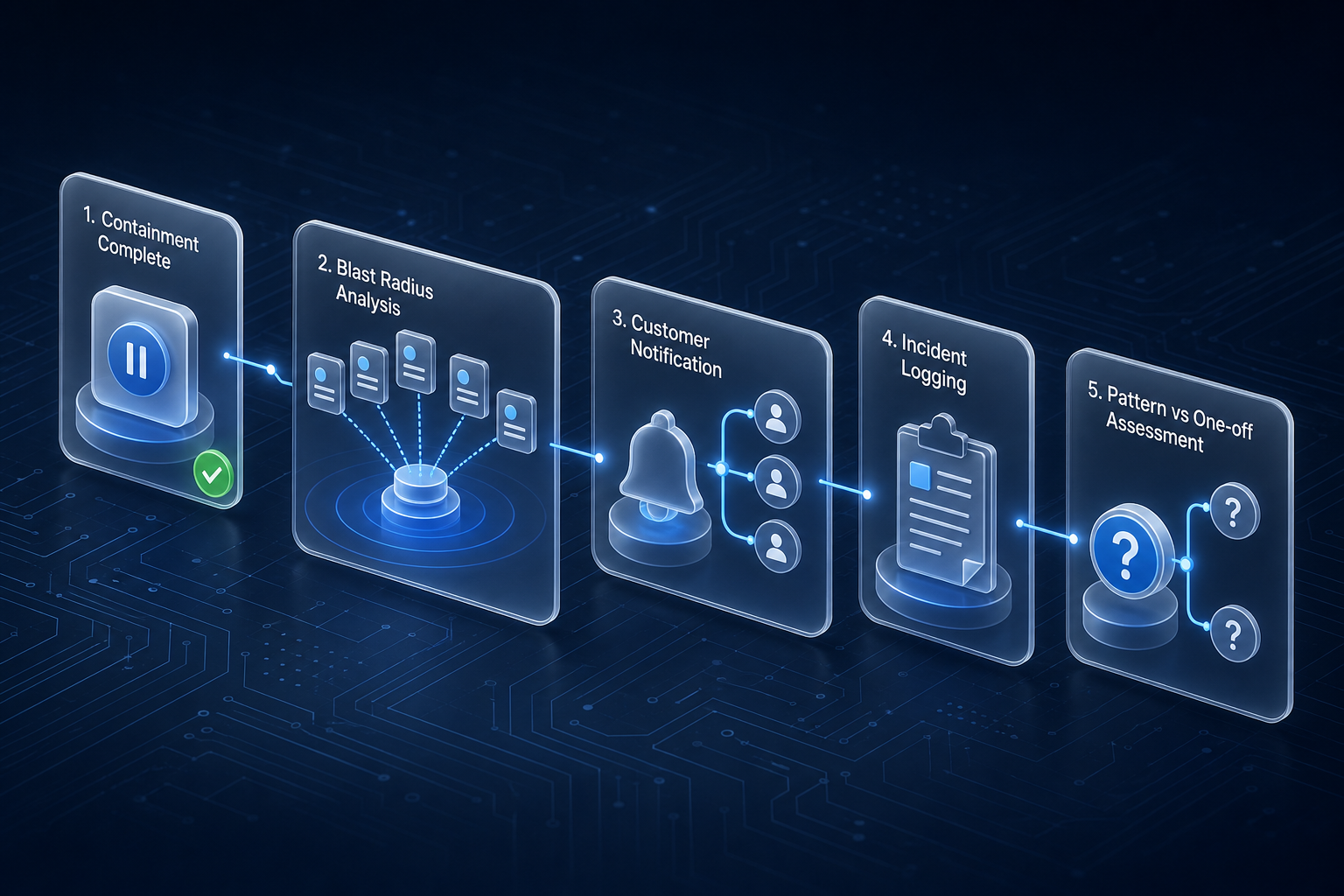
An automated quote goes out at 10:40 on a Tuesday. The price is wrong by a factor of ten. A customer has already opened it.
A 40-person logistics firm wanted to automate its customer complaint responses. The volume was there. Around 30 a month, all arriving by email, all needing a reply inside a day. On paper it was a clean candidate.