What your team can paste into an AI tool, and what stays out
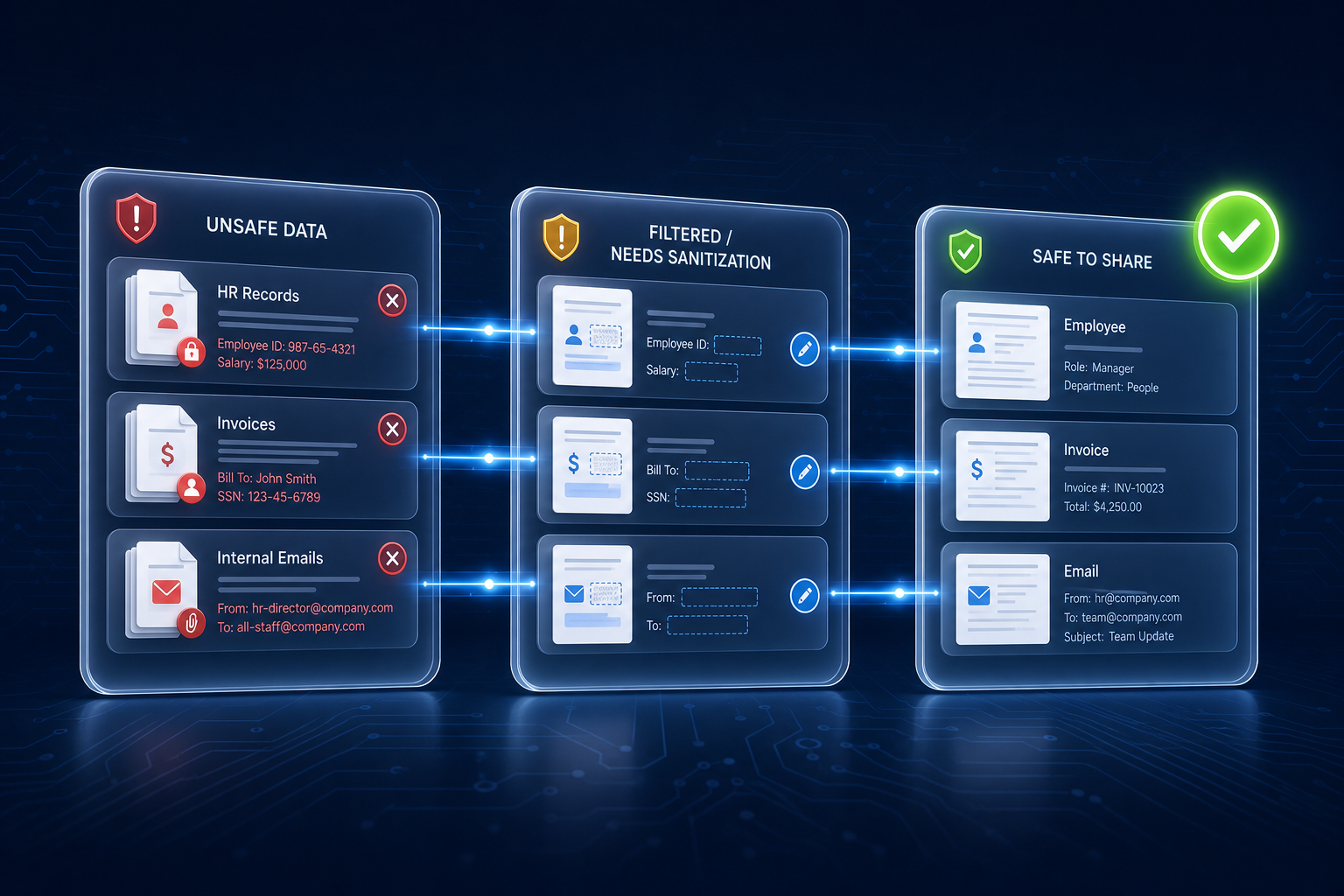
A one-page rule with three colors stops most data leaks into AI tools. You don't need a policy binder to get there.
A one-page rule with three colors stops most data leaks into AI tools. You don't need a policy binder to get there.
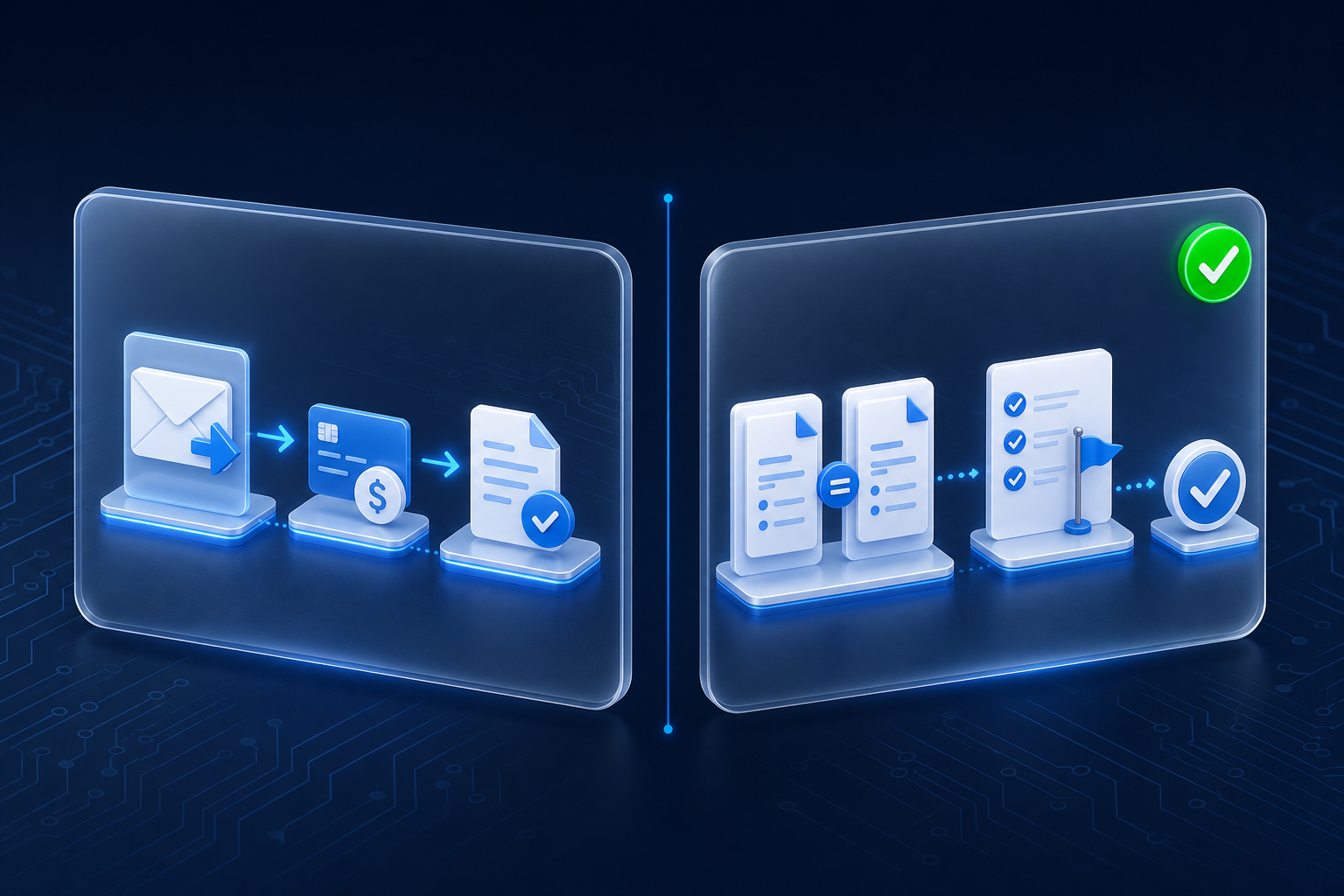
A small retailer with several locations set up one nightly check. It compared supplier invoices against what the stores actually received. In its first month, it caught a five-figure billing error.

Nearly every small business has AI now. Almost none of them run on it.

You decide this is the quarter you finally build a knowledge base. So you open pricing pages. You book two demos. You start a trial.

Most people use AI like a search engine. Type a question. Read the answer. Close the tab. It feels quick, and the result is usually a generic take you could have guessed on your own.

AI gets sold as a magic button. Drop in a problem, get back a finished answer, no work required. It does not work that way.
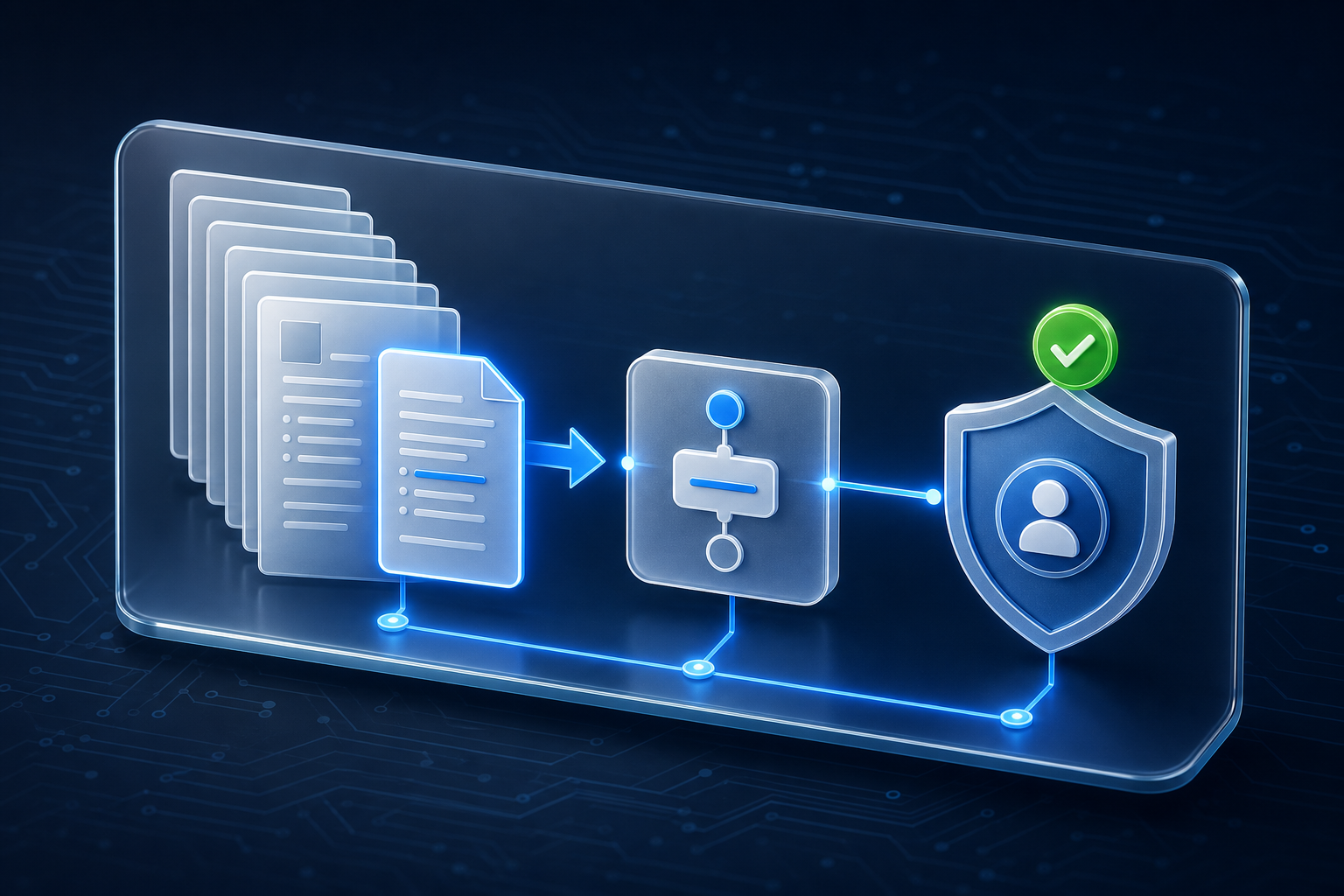
Most teams stall at the same place. They have written the procedure, but the procedure still runs on a person.
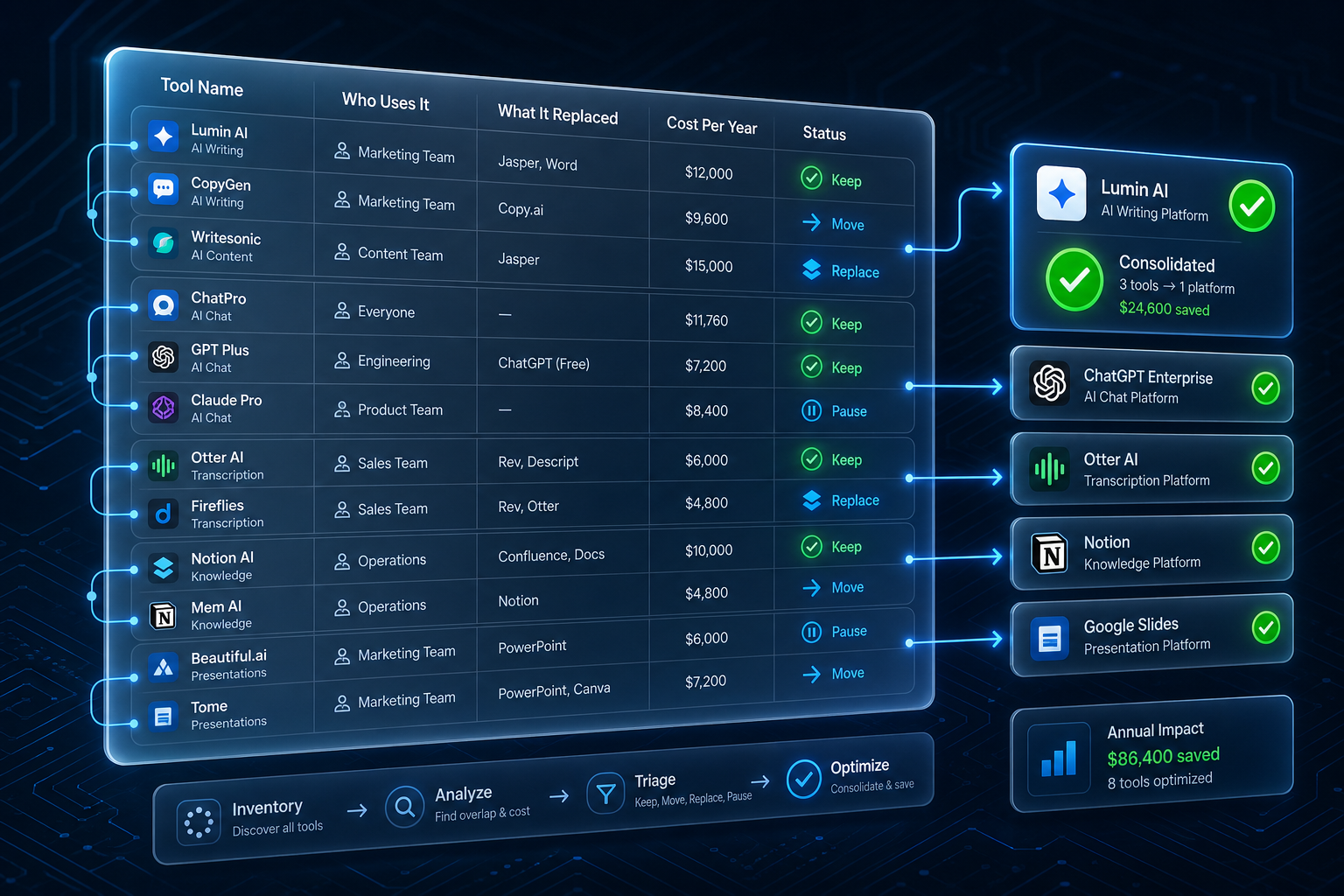
You are probably paying for AI tools you forgot you bought.

A clever prompt produces one good answer. A procedure produces the same good answer every week, run by anyone on your team.

Shadow AI is already in your business. Your team is using ChatGPT to write emails, Claude to summarize documents, and three other tools you have never heard of. None of it is on any inventory.