Give your AI assistant a job, not your office manager's access
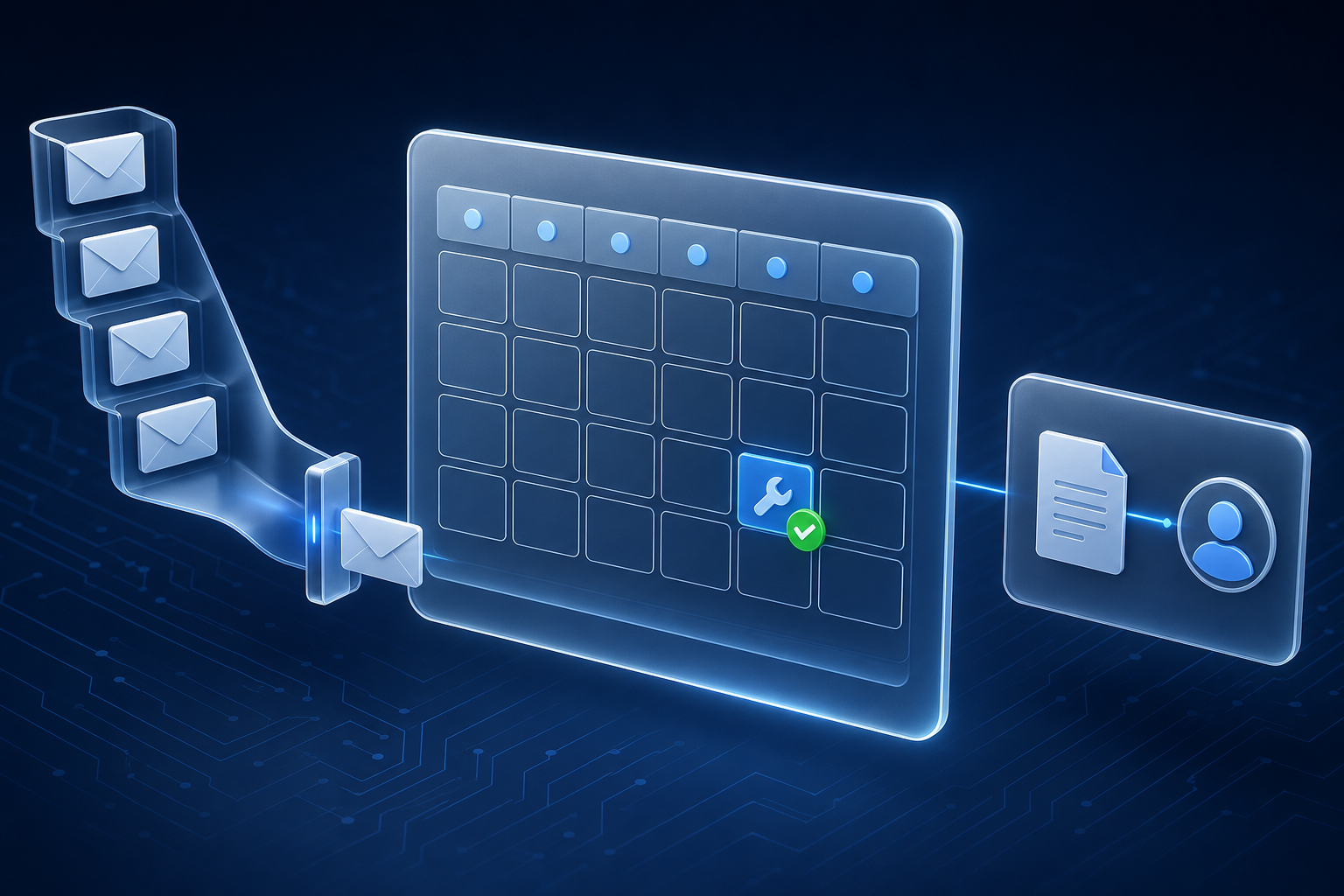
An AI assistant can use every permission you give it. So give it a job before you give it a login.
An AI assistant can use every permission you give it. So give it a job before you give it a login.
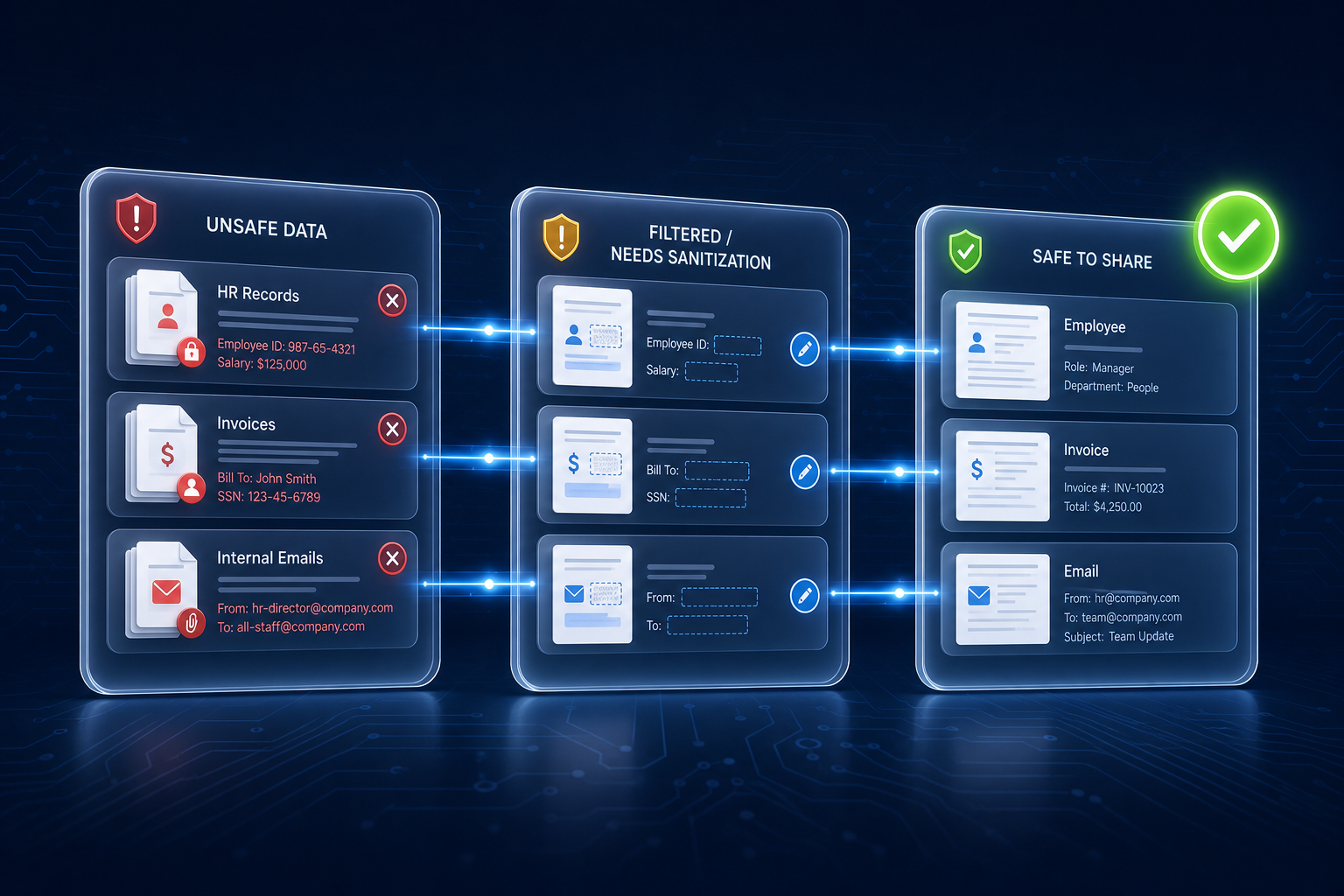
A one-page rule with three colors stops most data leaks into AI tools. You don't need a policy binder to get there.
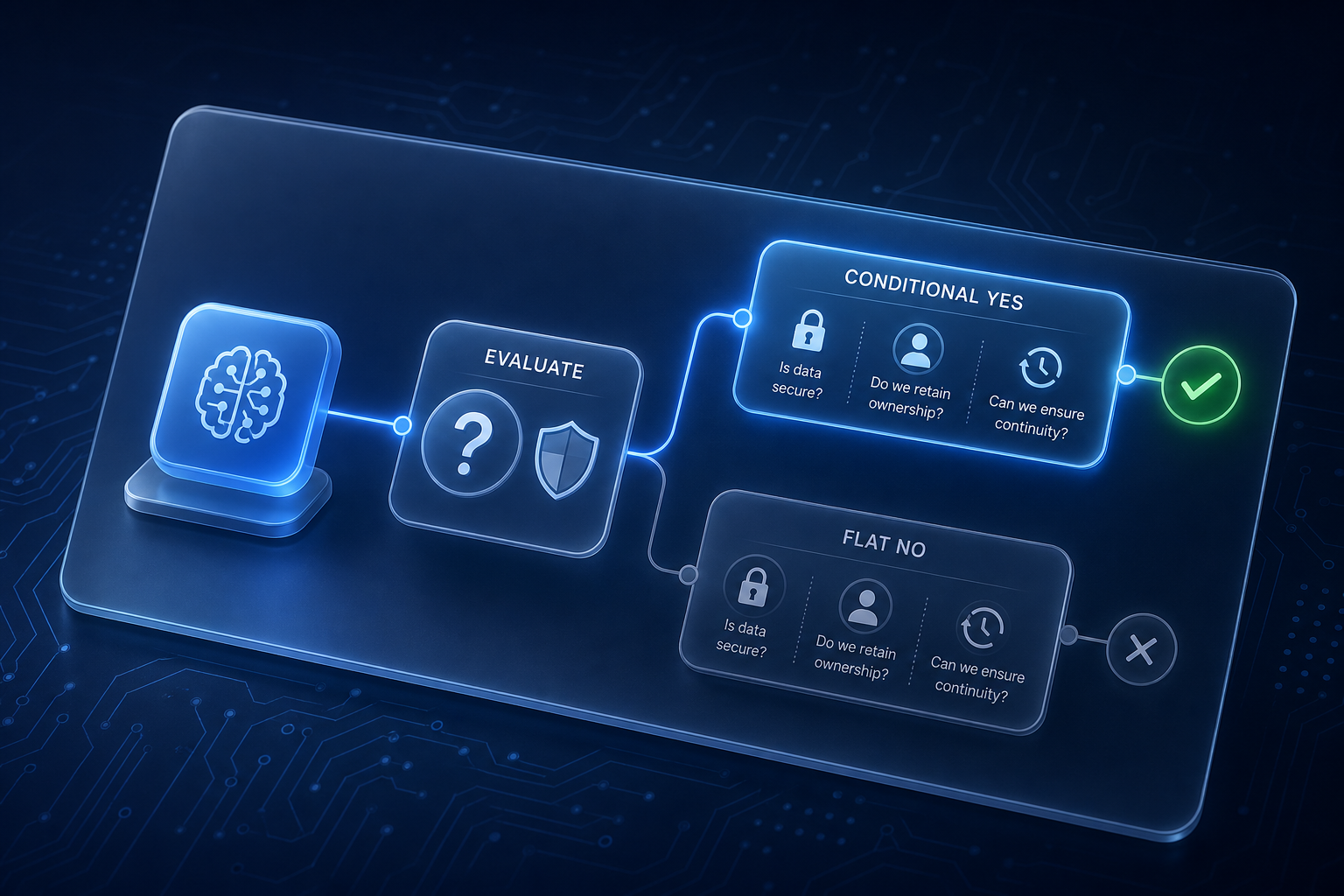
Your operations lead sends a message on Friday afternoon. She wants to use a new AI tool to summarise client calls. It costs $30 a month. She needs an answer.
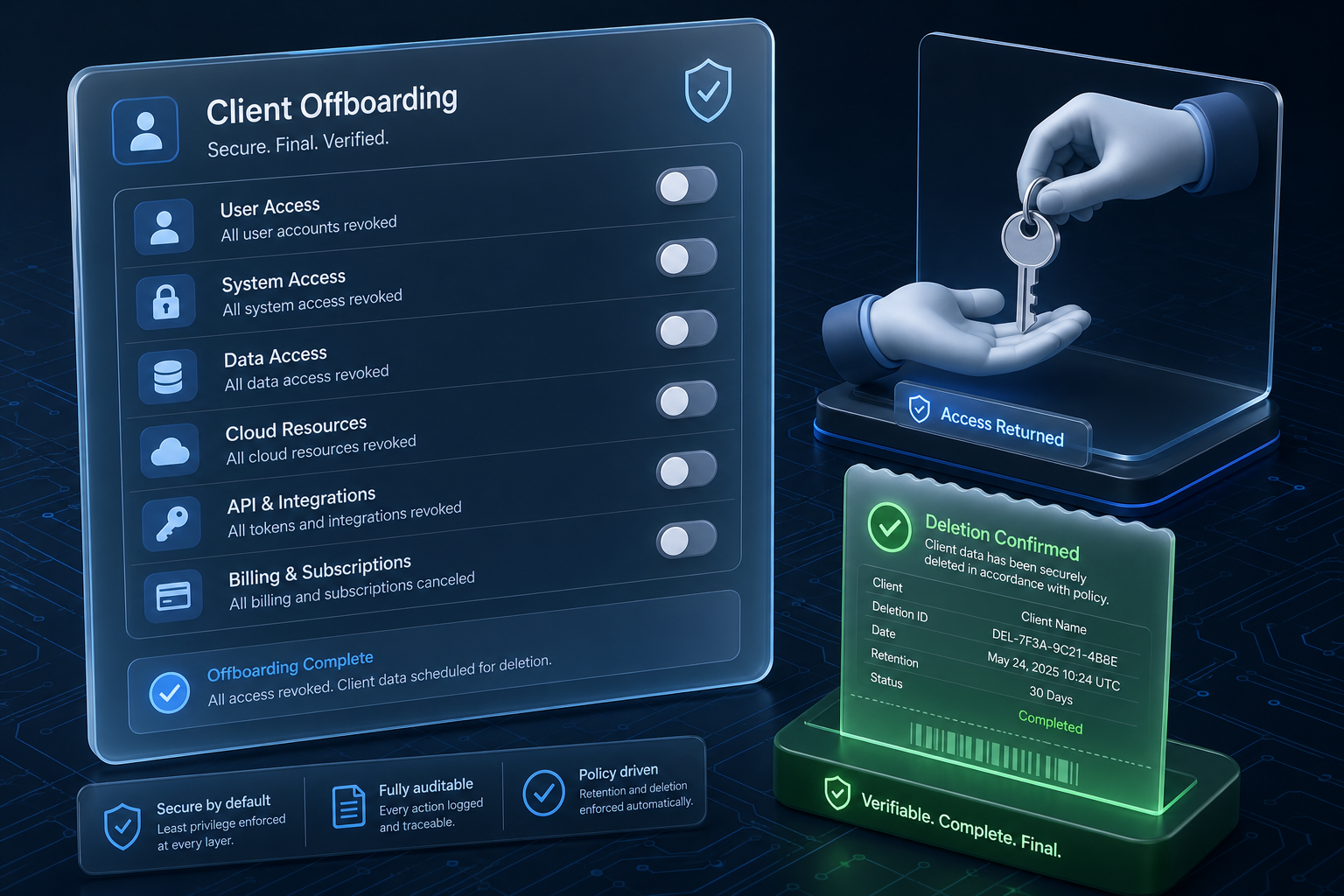
Anyone can make it easy to sign up. The real test of a partner is what happens when you leave. That is the moment you find out whether they respected your business the whole time.

Nobody can promise you an automation will never break. A tool changes, an input arrives in a shape no one expected, a service goes down. It happens.
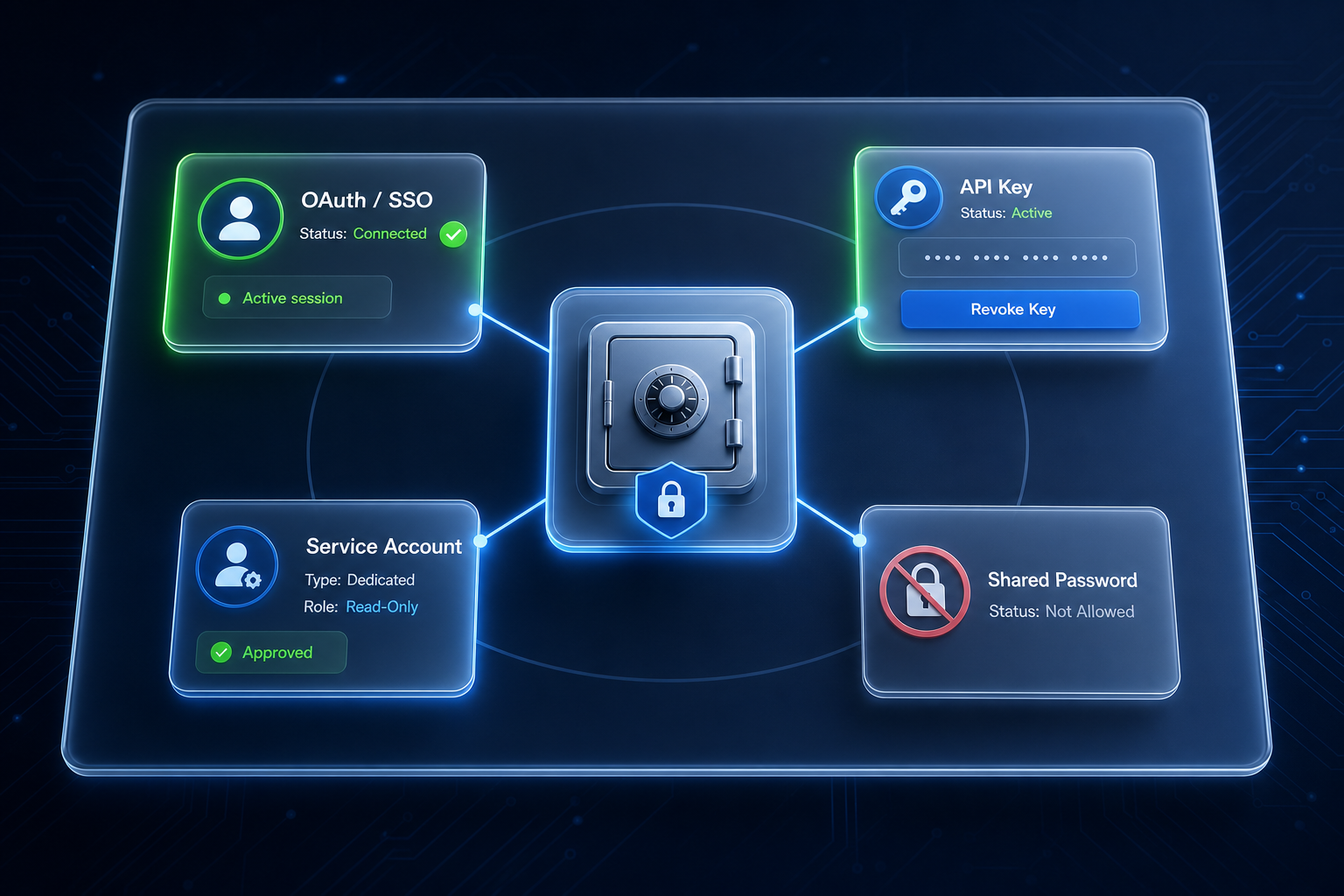
Bringing in an AI partner means giving someone access to your business. That is the part that should make you a little nervous, and it is the part most people never ask about.
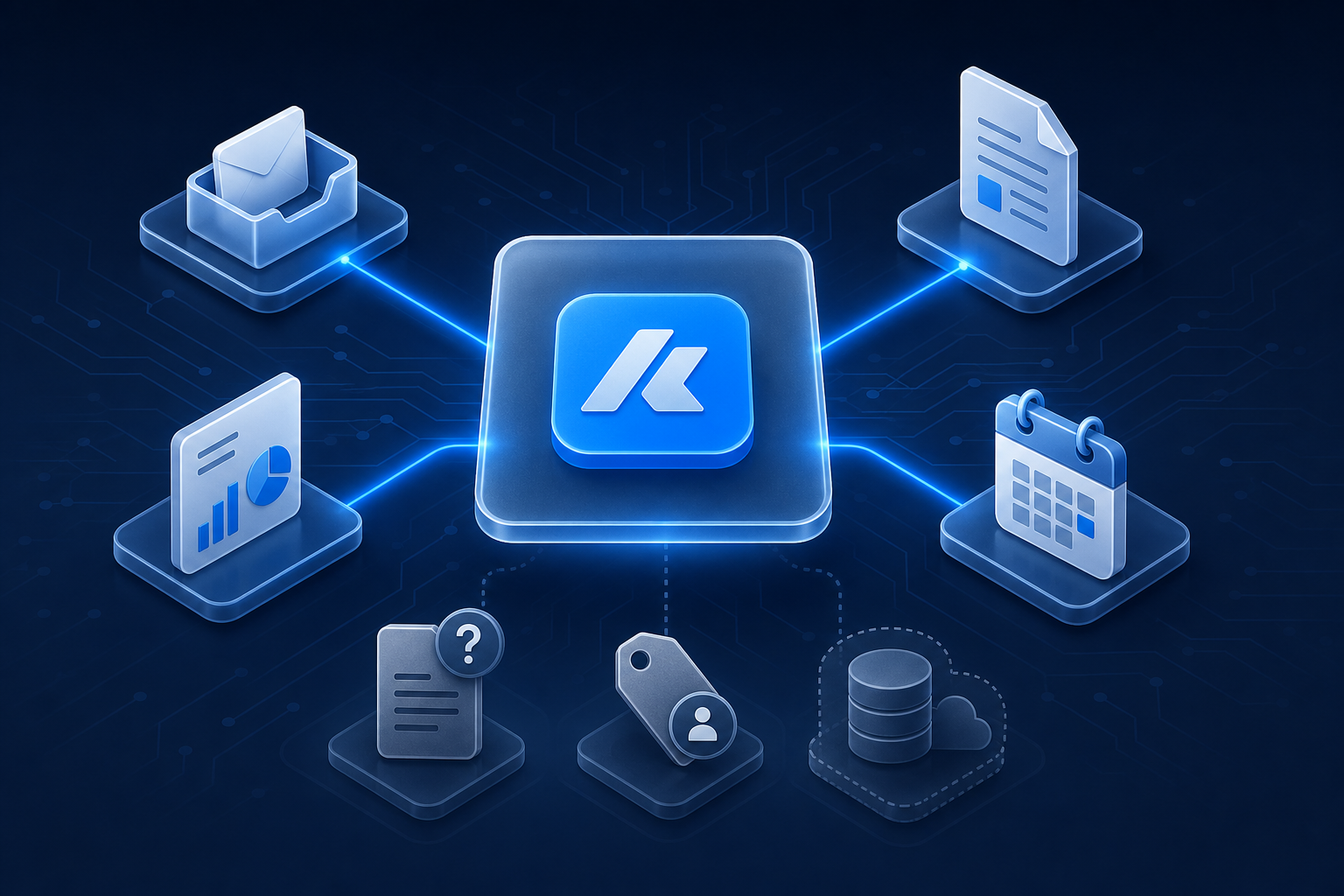
Most critical tools do not arrive with a launch. They creep in. Someone tries an AI tool on a Tuesday to save twenty minutes, it works, and a year later three people cannot do their jobs without it.

A customer disputes an invoice. You pull the file and find the figure came from an AI draft nobody checked. Now you have a question you cannot answer: who approved this, and on what basis?
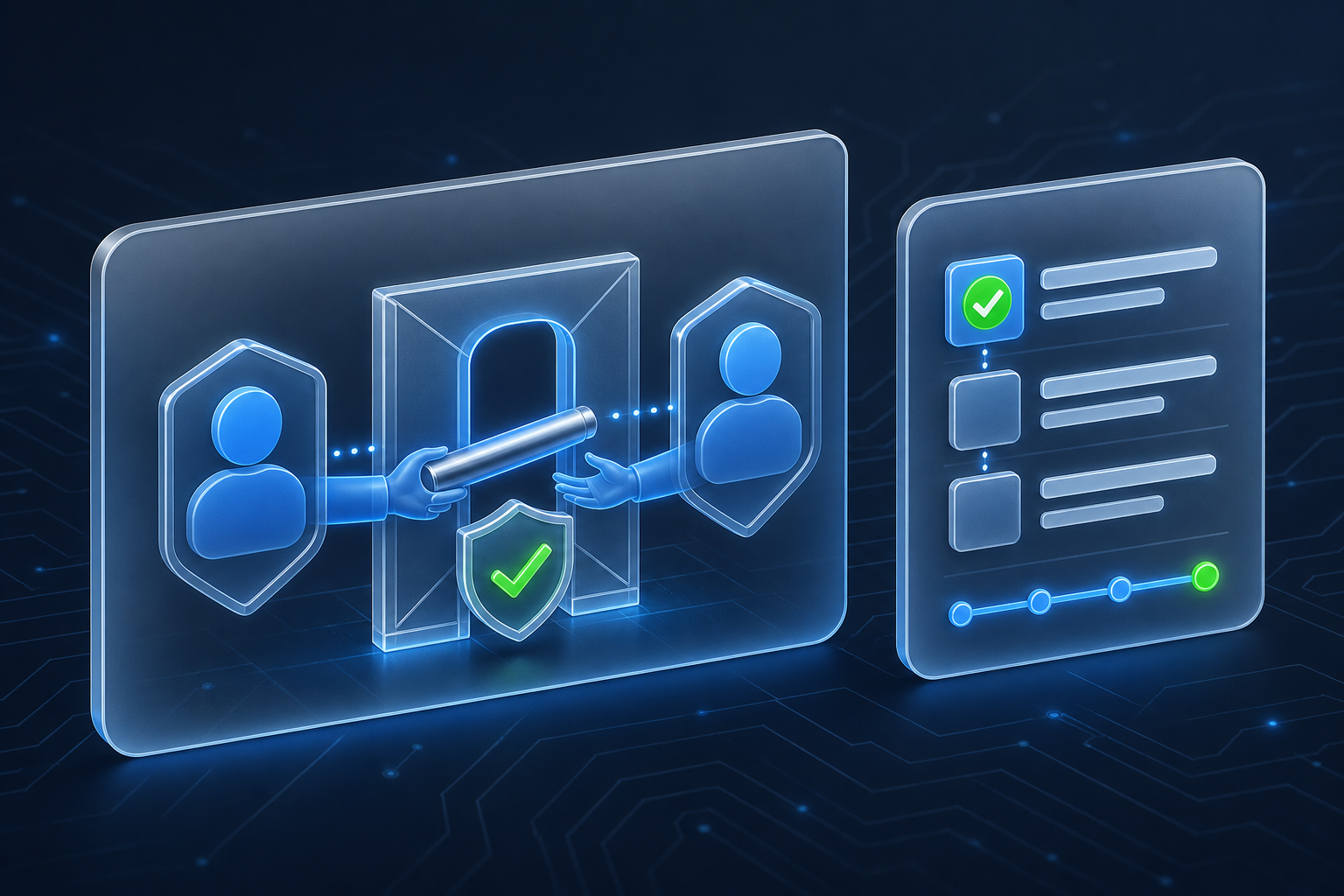
Most AI mistakes do not happen while someone is watching.

Shadow AI is already in your business. Your team is using ChatGPT to write emails, Claude to summarize documents, and three other tools you have never heard of. None of it is on any inventory.