Your automation says success. Did it actually do anything?

Most automation failures announce themselves. A step errors out, an alert fires, someone gets an email. Those are the easy ones.
Most automation failures announce themselves. A step errors out, an alert fires, someone gets an email. Those are the easy ones.

Nearly every small business has AI now. Almost none of them run on it.
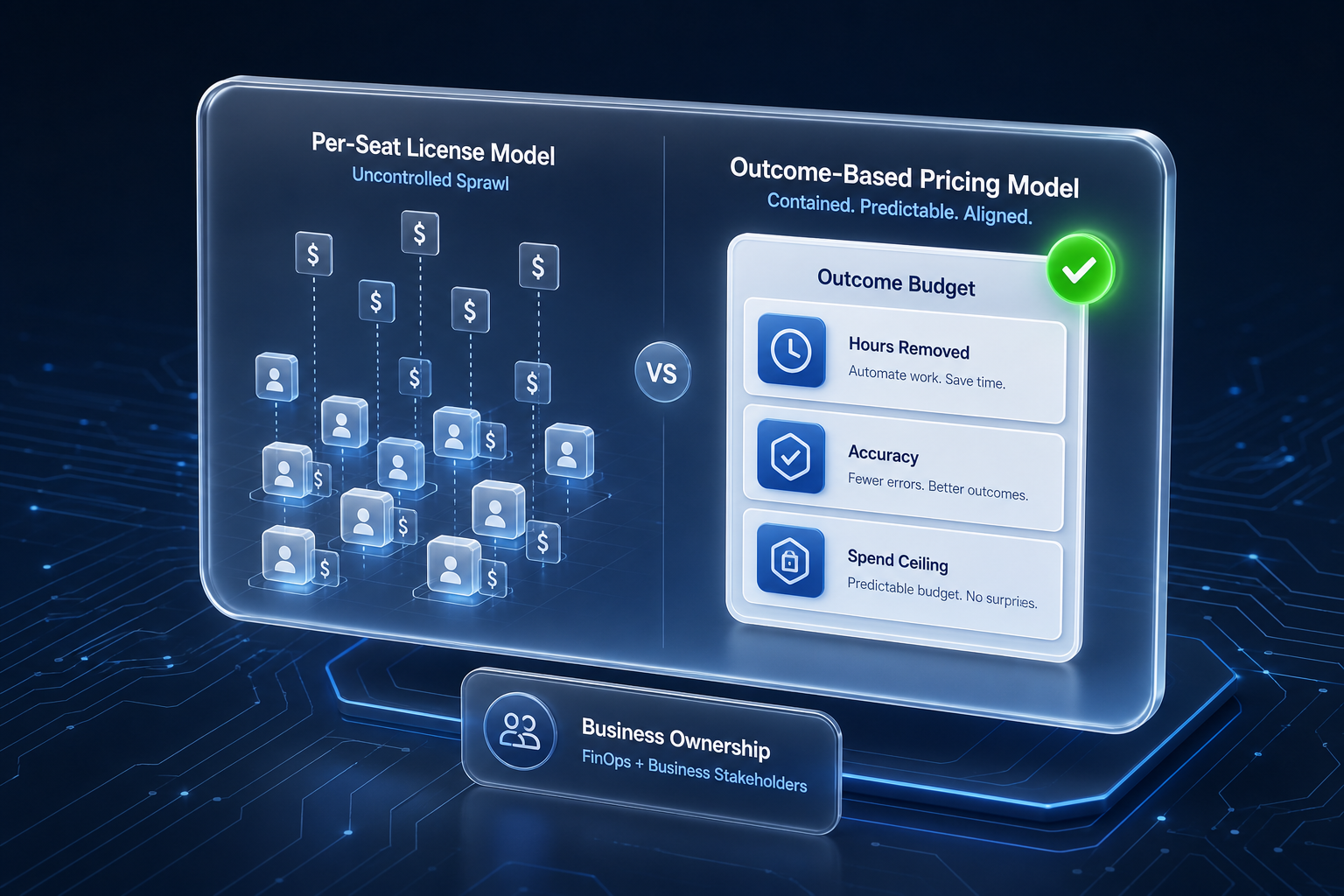
Owners ask what they should spend on AI and want a number back. There isn't one.

The pilot ran for six weeks. It worked. Everyone agreed it saved real time.

An automated quote goes out at 10:40 on a Tuesday. The price is wrong by a factor of ten. A customer has already opened it.

Your operations manager resigns on a Friday. On Monday you find out the approval rules for your three largest accounts lived in her head and in one chat thread nobody else was in.

Your operations lead sends a message on Friday afternoon. She wants to use a new AI tool to summarise client calls. It costs $30 a month. She needs an answer.

A 30-person insurance brokerage asks their assistant what the renewal window is for commercial auto. Four seconds later they have the right answer and the right clause. Ten minutes after that, someone asks which clients have renewals falling inside a rate change. The same assistant returns something vague and slightly wrong.

A 40-person logistics firm wanted to automate its customer complaint responses. The volume was there. Around 30 a month, all arriving by email, all needing a reply inside a day. On paper it was a clean candidate.

Someone changes a process in March. The page describing that process still says what it said in January. Nobody decided to let it drift. It drifted because updating the page was a separate job, and separate jobs get dropped.