Your knowledge base is your governance layer
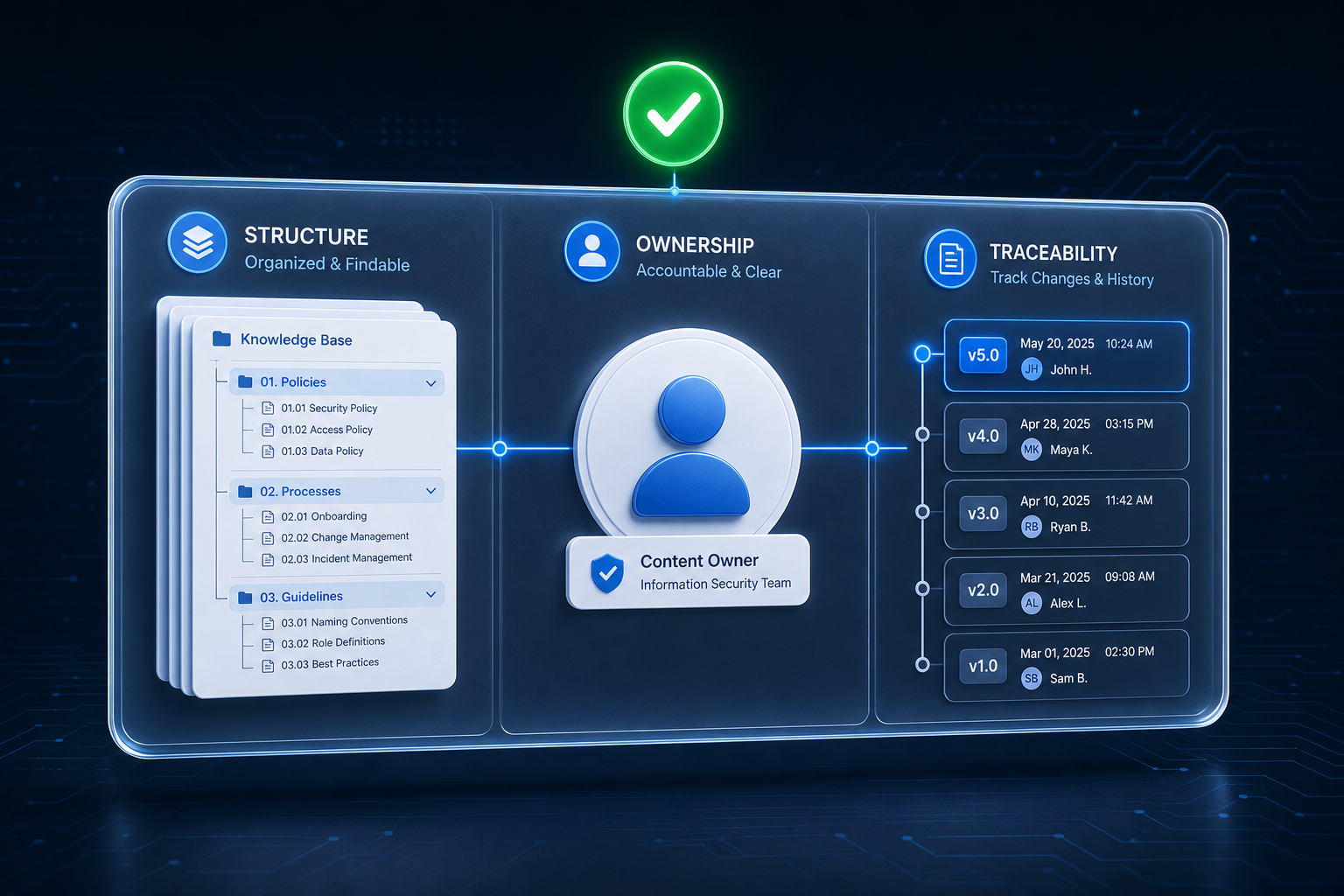
Someone asks what discount a reseller qualifies for. Three people answer. All three sound certain, two are wrong, and nobody can point to where the rule actually lives.
Someone asks what discount a reseller qualifies for. Three people answer. All three sound certain, two are wrong, and nobody can point to where the rule actually lives.

You decide this is the quarter you finally build a knowledge base. So you open pricing pages. You book two demos. You start a trial.
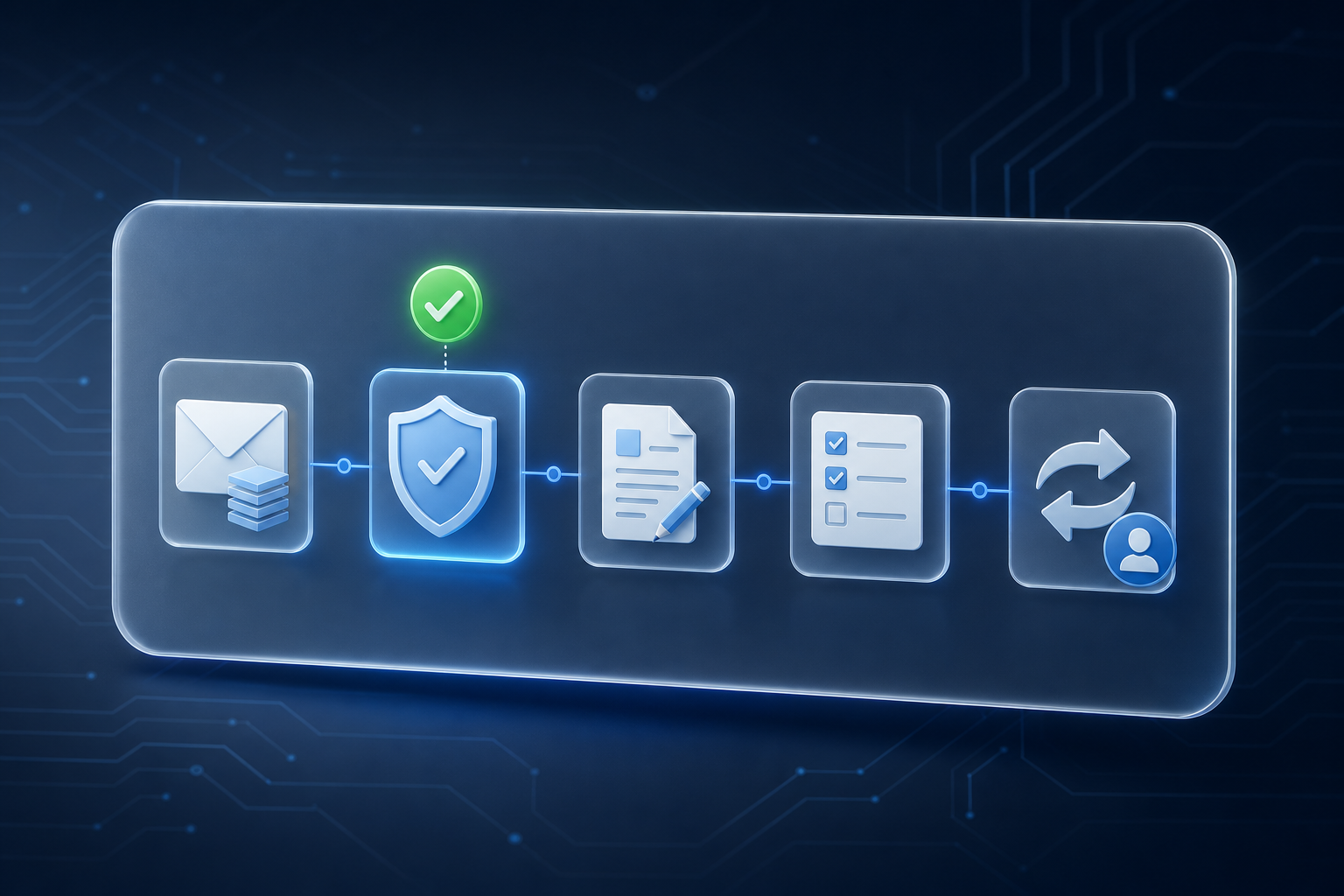
AI sounds like a developer tool. Read the coverage and you would think the whole point of it is shipping code faster.
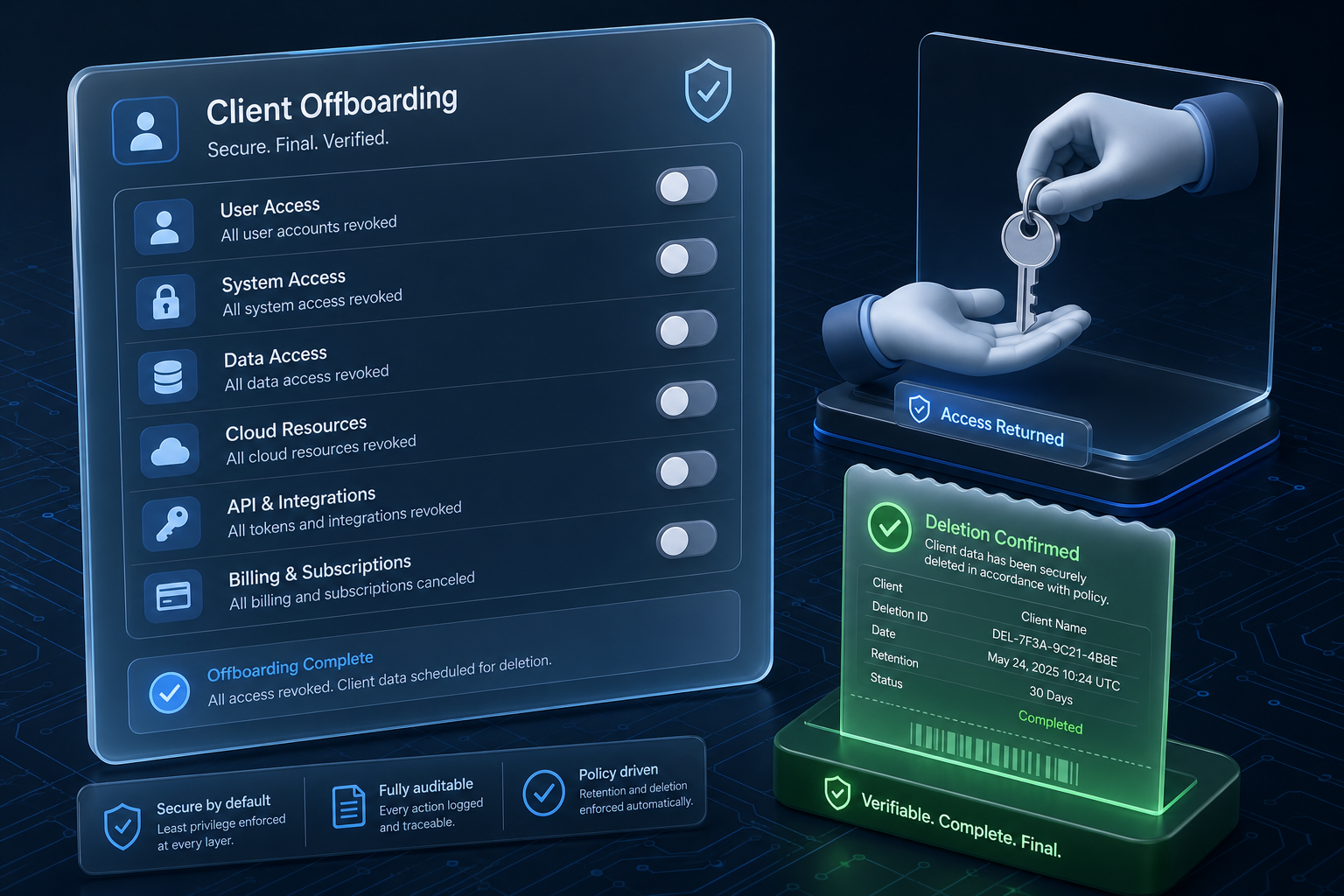
Anyone can make it easy to sign up. The real test of a partner is what happens when you leave. That is the moment you find out whether they respected your business the whole time.
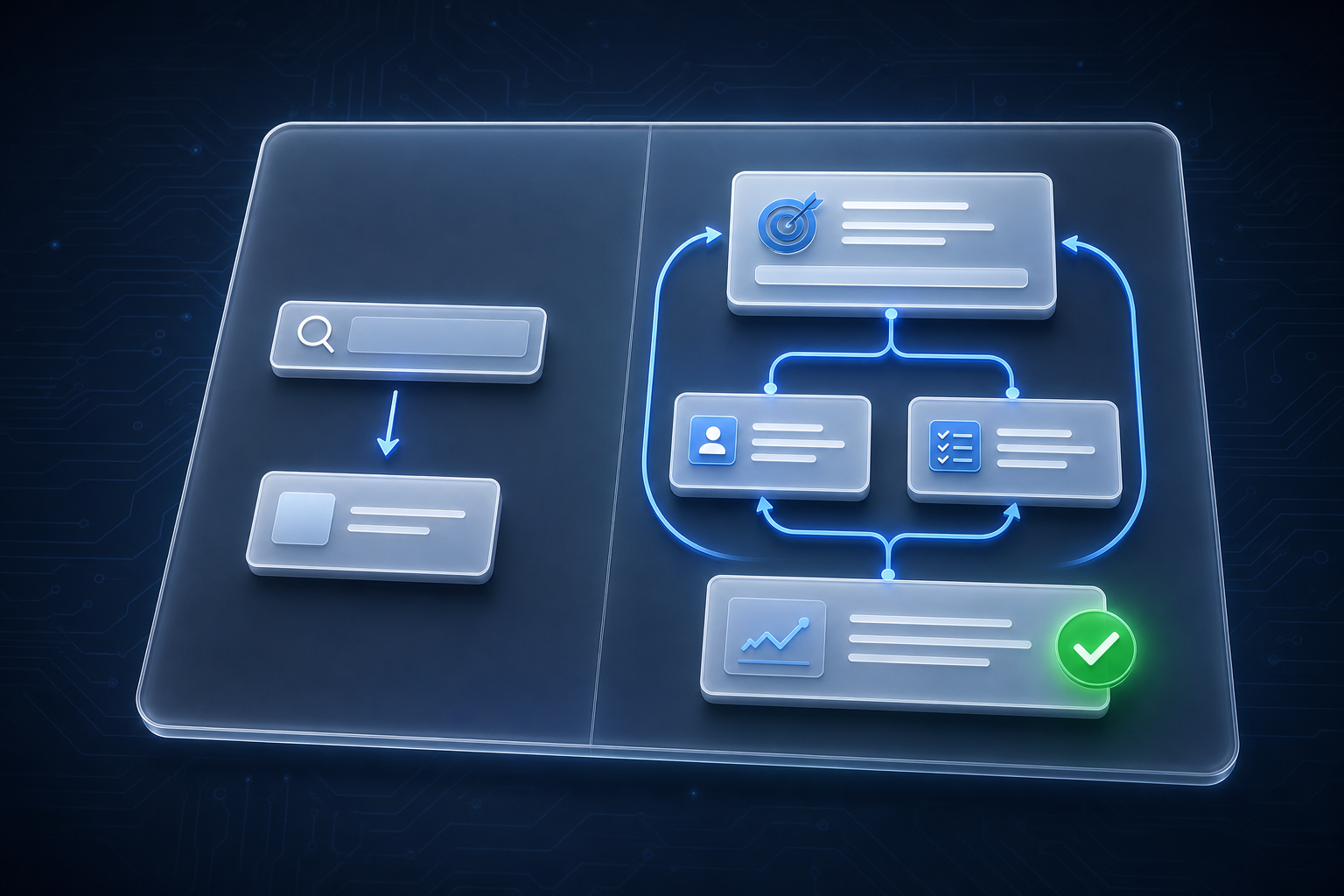
Most people use AI like a search engine. Type a question. Read the answer. Close the tab. It feels quick, and the result is usually a generic take you could have guessed on your own.
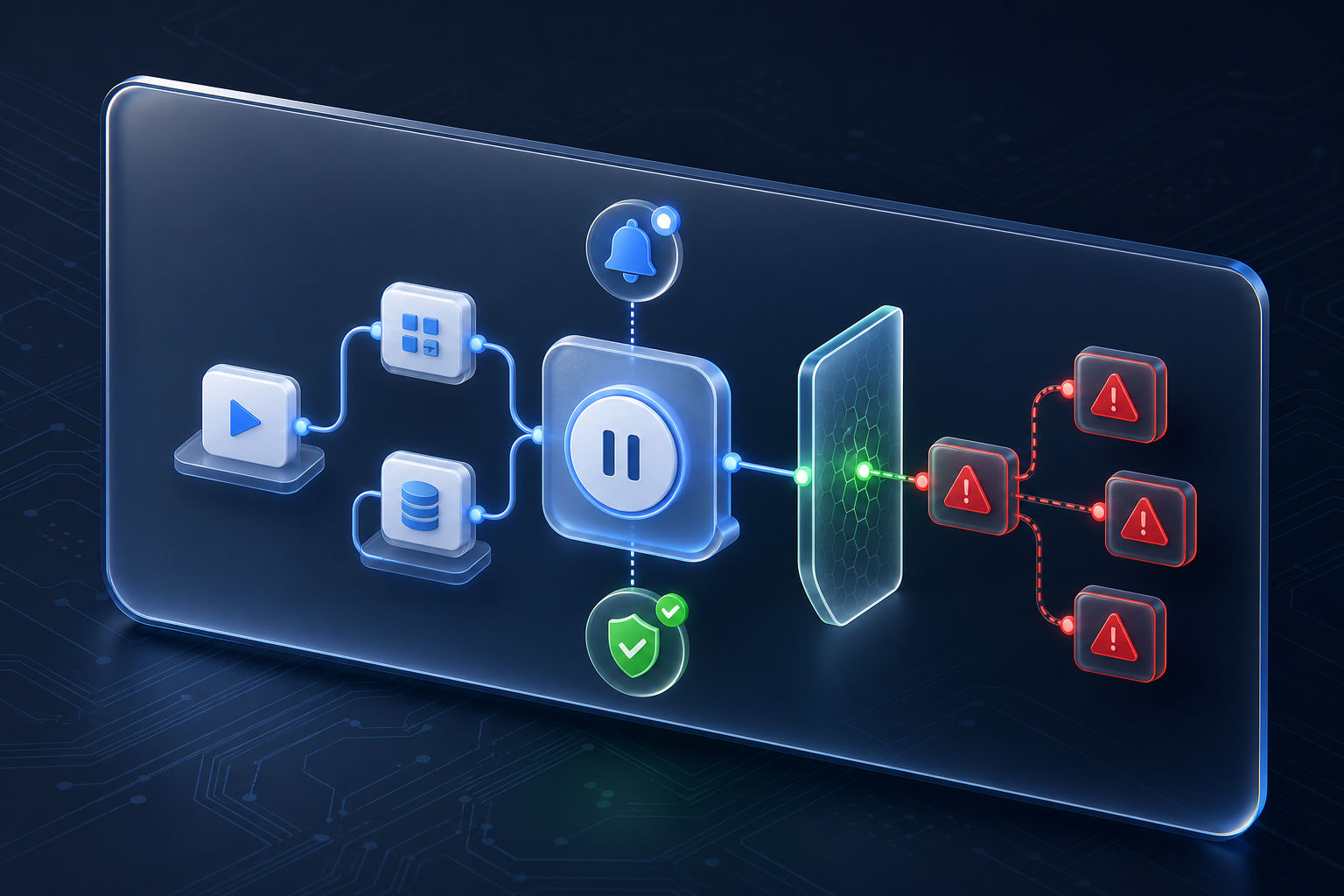
Nobody can promise you an automation will never break. A tool changes, an input arrives in a shape no one expected, a service goes down. It happens.
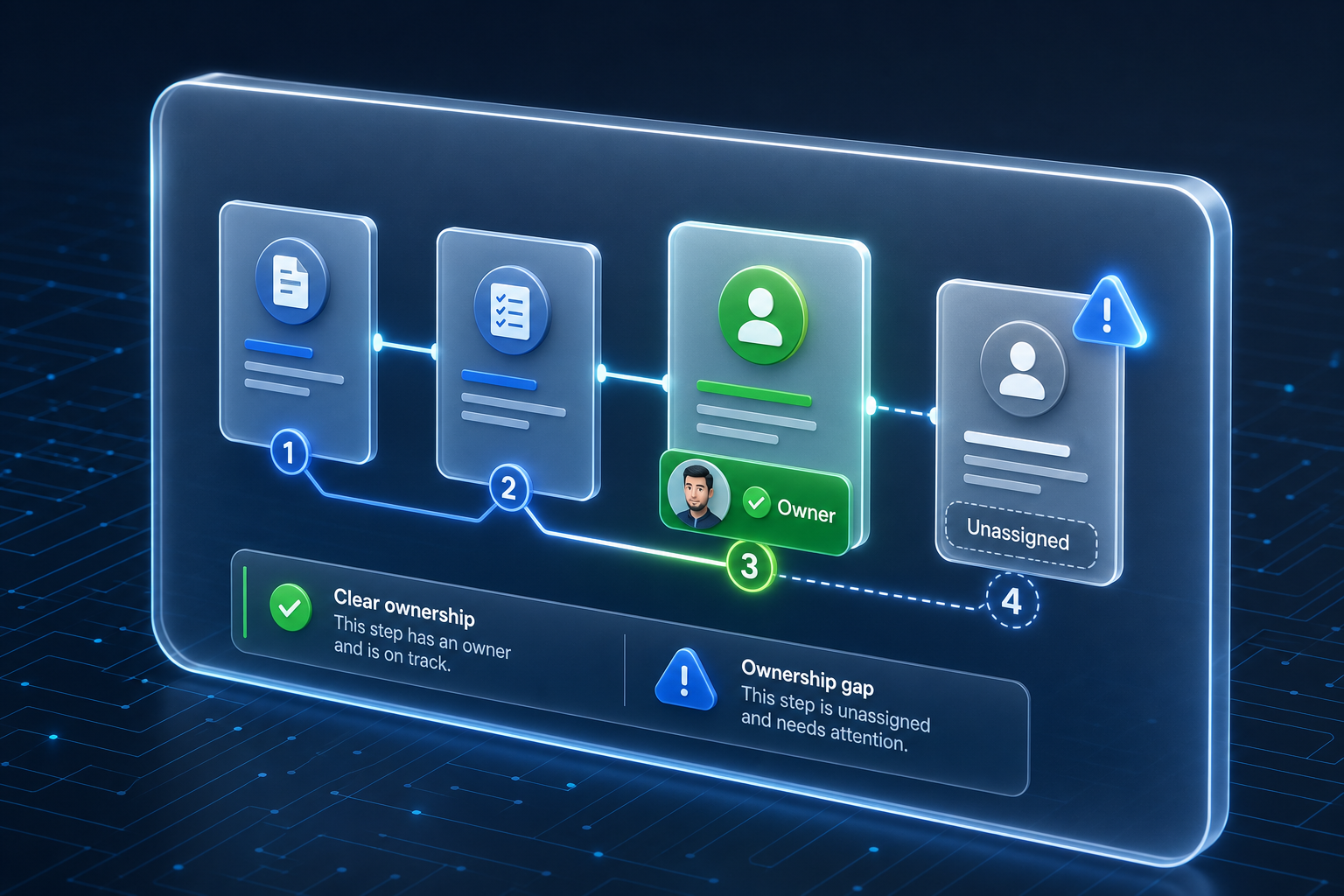
The automation did not break because the AI got dumber overnight. It broke because the one person who understood it was on vacation.
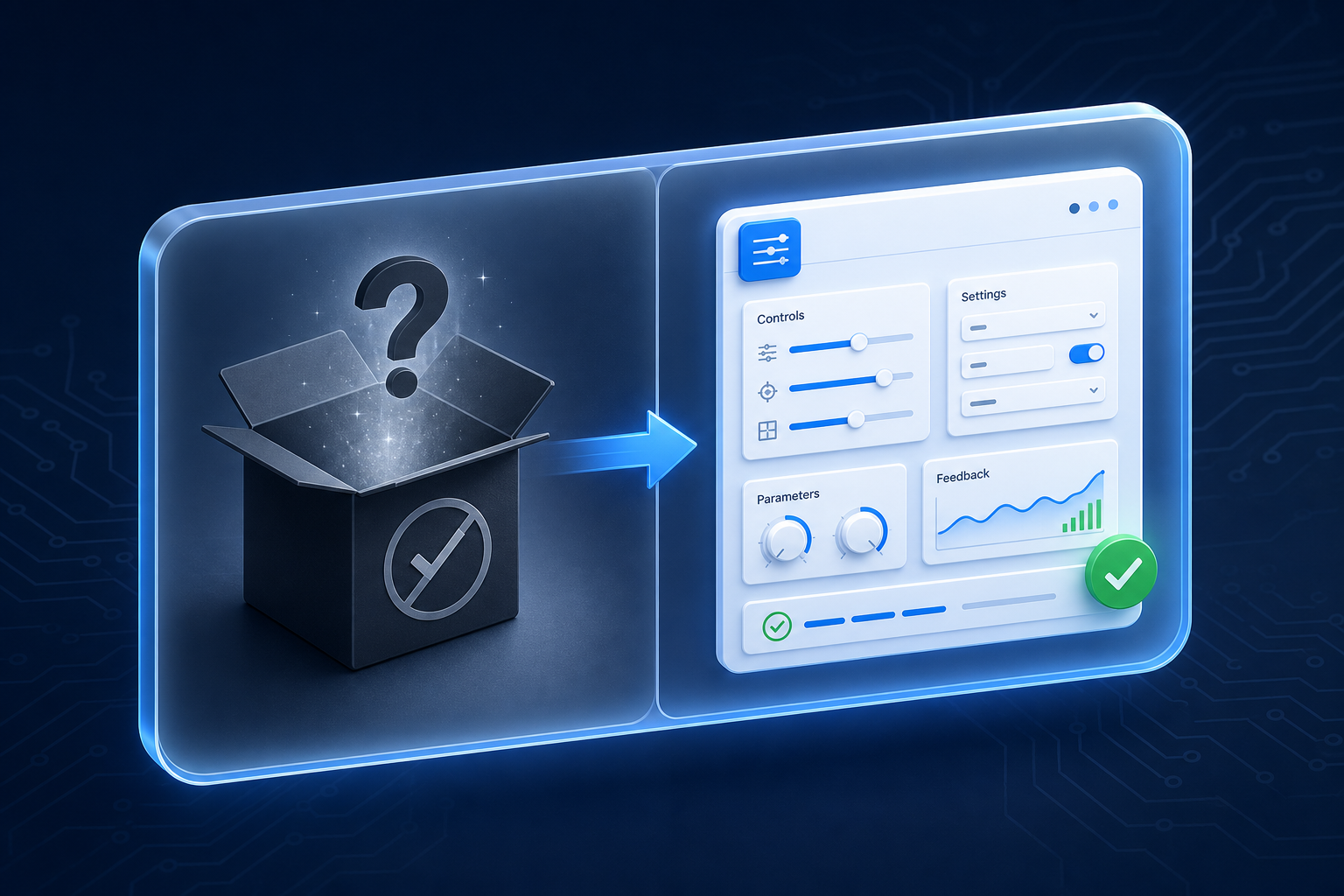
AI gets sold as a magic button. Drop in a problem, get back a finished answer, no work required. It does not work that way.
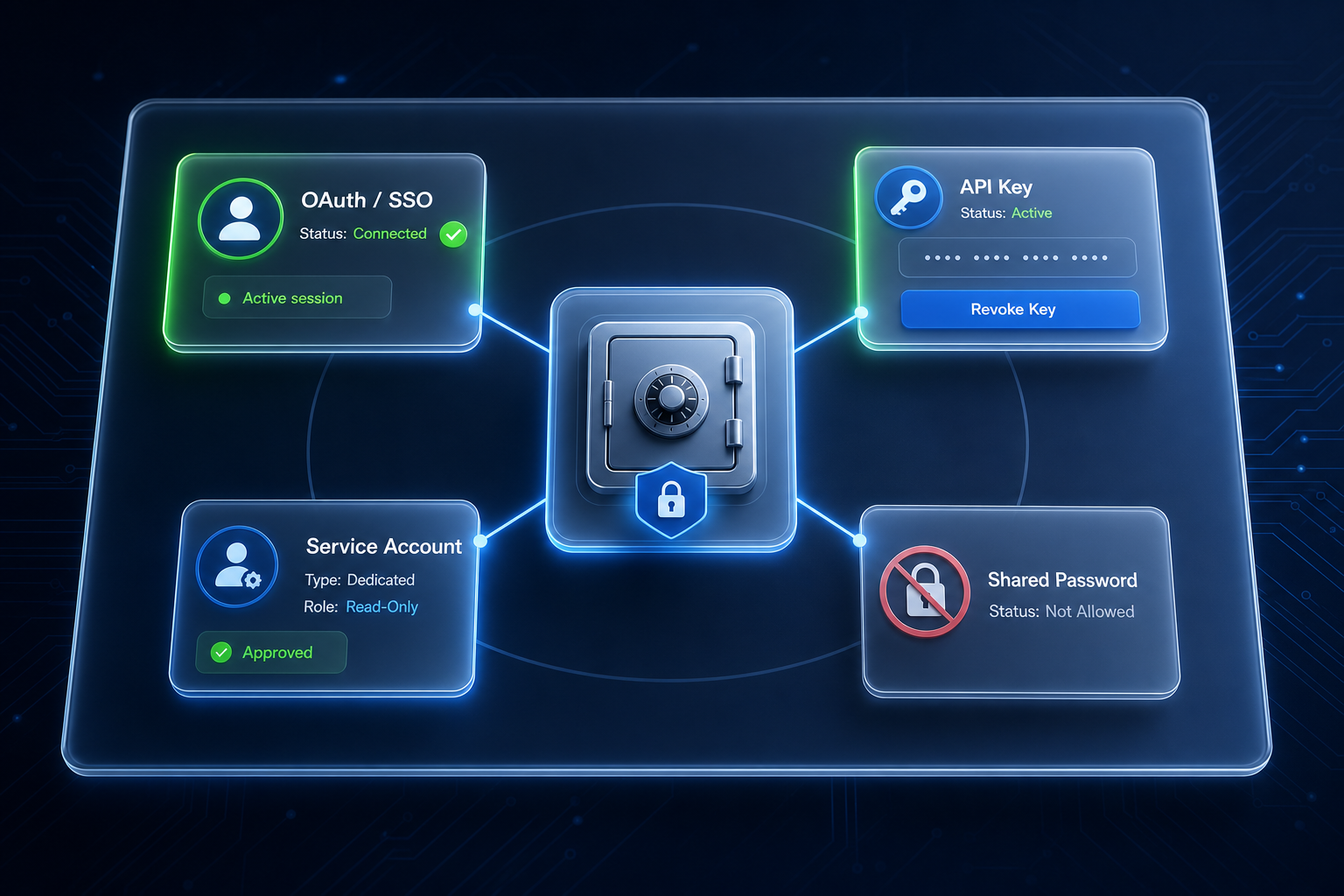
Bringing in an AI partner means giving someone access to your business. That is the part that should make you a little nervous, and it is the part most people never ask about.
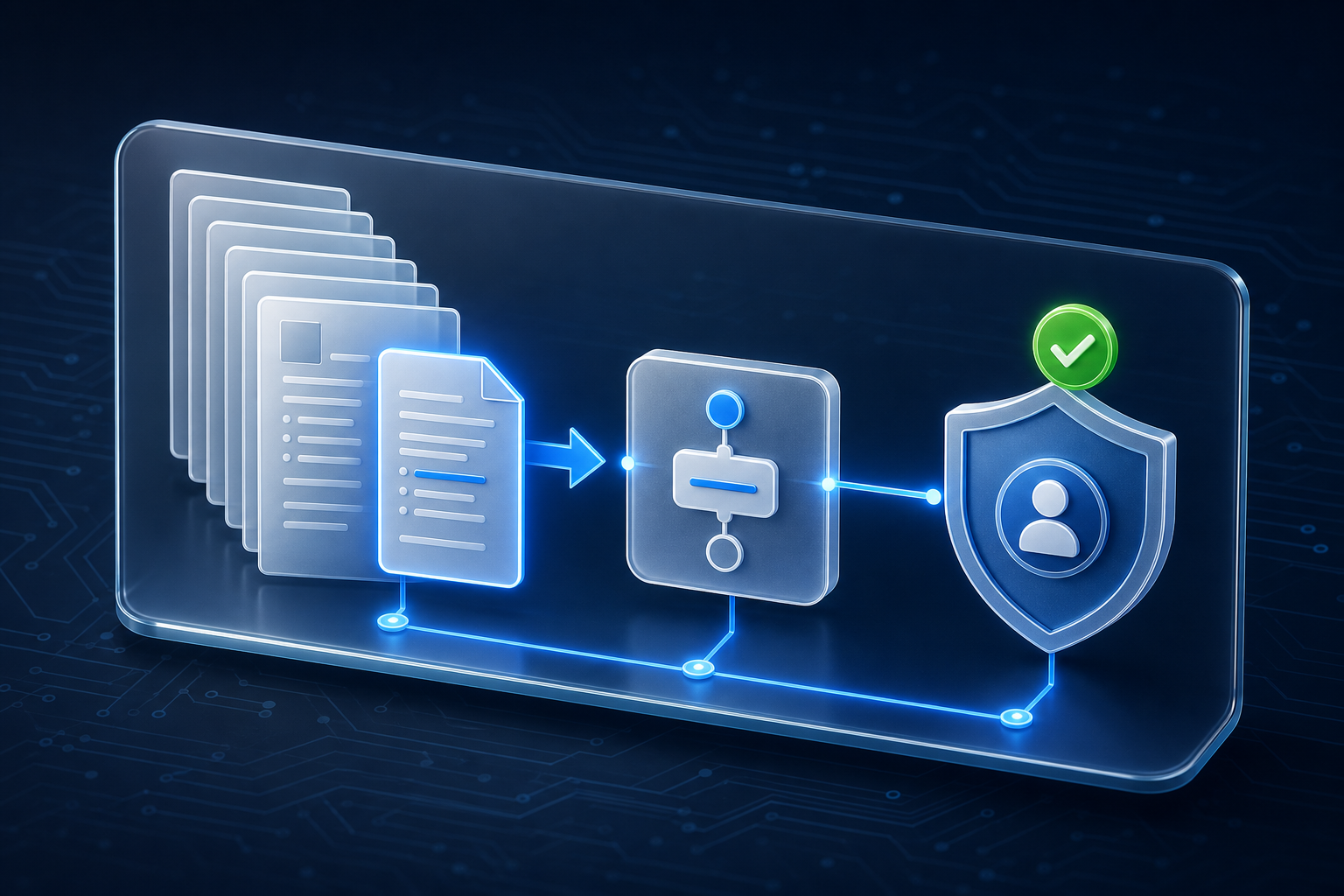
Most teams stall at the same place. They have written the procedure, but the procedure still runs on a person.